From the editor
What's coming — and what it means for you
Future question What shifted this month — and why should you care this week?
September's stories were not about sudden shocks; they were about slow, structural shifts that will reach you through bills, budgets, and bus routes.

Every month we sort through hundreds of headlines and ask one question: what is actually coming for the reader? September 2026 gave us an unusually clear answer. California signed an antitrust law that gives district attorneys new power to sue over anticompetitive conduct. The state clarified how a billion dollars in arts money must be spent. And a federal judge ended the longest police oversight in American history. None of these made a splash on social media. All of them will shape what you pay, what your kids learn, and who answers when you call for help.
Meanwhile, the technology story kept accelerating. AI voice companies doubled their valuations. A startup proposed 450 nuclear reactors on Utah public land to feed data centers. And the White House signed a voluntary AI safety accord with no published details. The gap between what is being built and what is being governed is widening, and that gap is where your future job, your energy bill, and your information diet live.
So this issue is a map, not a mood. We look at what is coming, then what it means for you, and end each story with one concrete thing to watch, protect, learn, or decide. Succeeding as a human in the years ahead will not require predicting the future. It will require reading the paperwork that everyone else skips.
Thank you for reading, and for sharing what we should be paying attention to next.
Civic decisions
What's being decided
Future question → story → impact on you
Future question What's being decided next?
This section watches the laws and agreements that will govern money, safety, and technology in the year ahead. We focus on what changed in September 2026 and what it means for your rights and your wallet.
In this section
Impact on you What may change at your school, bill, street, or job
Newsom Signs Antitrust Bill After Lobbying Battle
What's being decided
California now has a modern antitrust tool, but it was weakened before it passed.
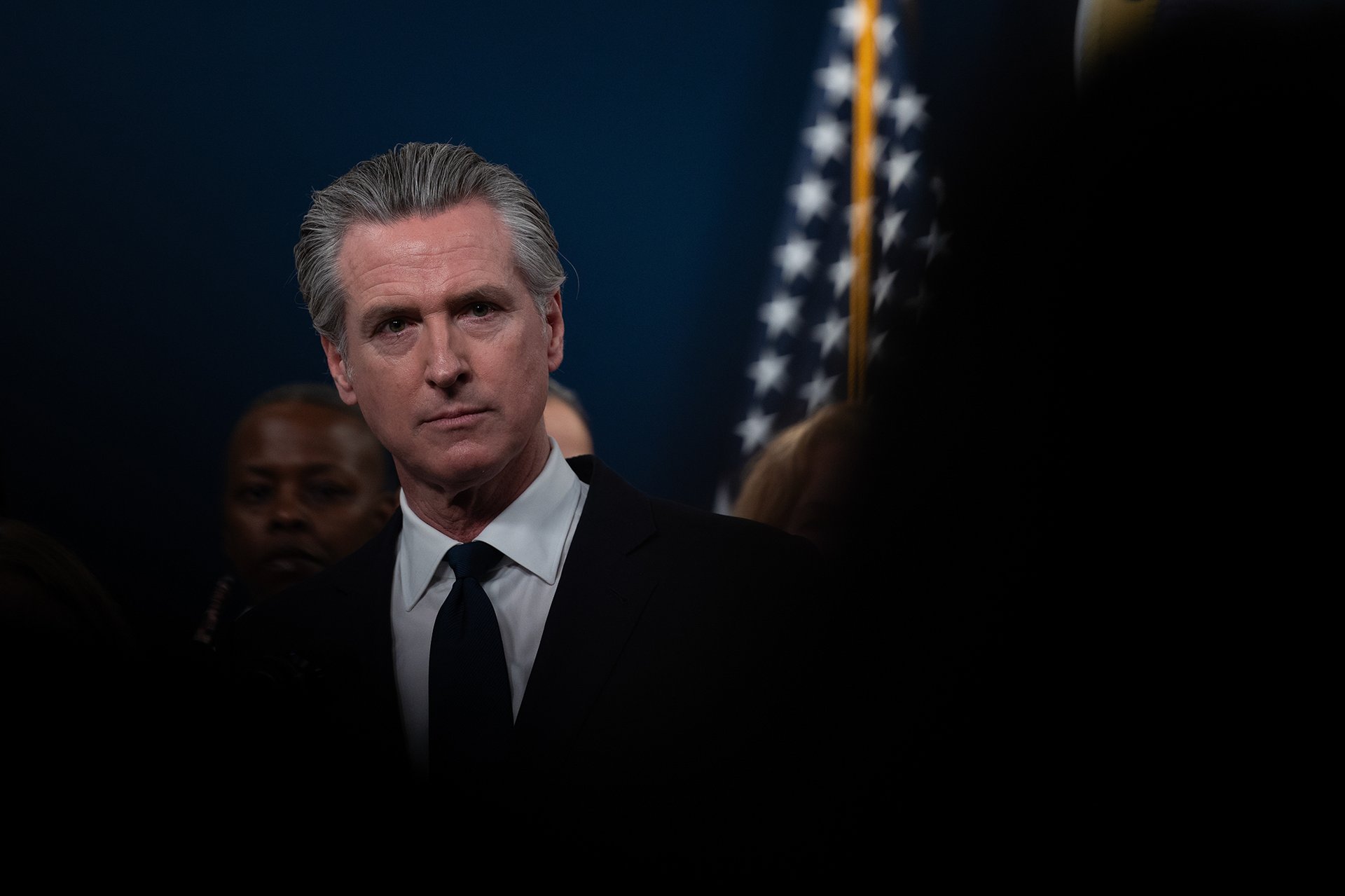
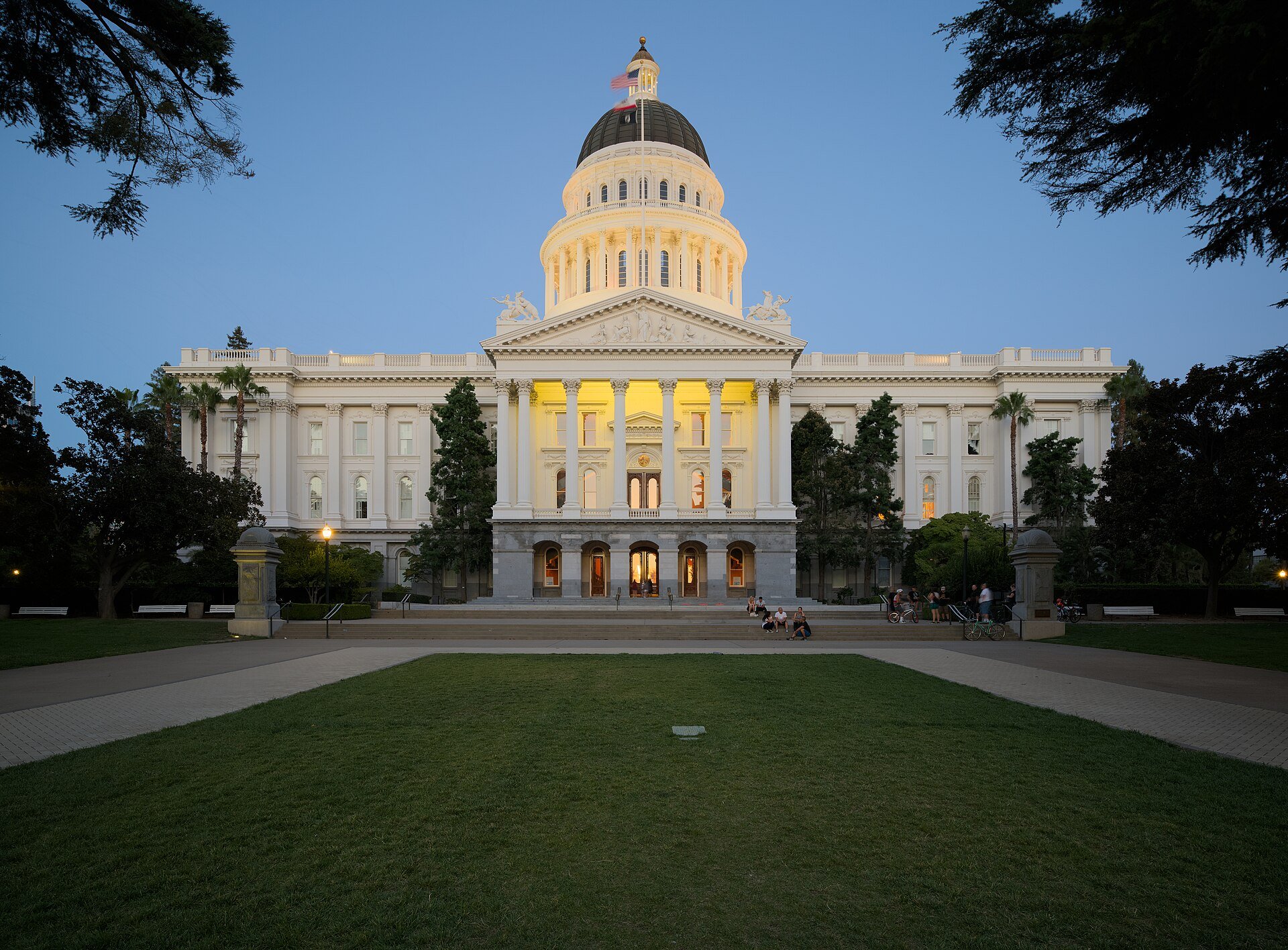
Governor Gavin Newsom signed Assembly Bill 1776, the Compete Act, modernizing California's antitrust laws. The bill allows district attorneys and the state attorney general to sue businesses for anticompetitive conduct. Supporters say it was weakened by business lobbying concessions, meaning the final text is narrower than the original proposal.
For readers, this is the beginning of a long enforcement story, not the end. Antitrust cases take years, and the practical effect will show up in whether small competitors can survive, whether prices stay high in concentrated markets, and whether local prosecutors have the staff to use the new power. The law also signals that Sacramento is willing to act on concentration even when Washington is not.
California Law Opens State Funds to Sober Homeless Housing
What's being decided
A housing-first state is now funding sobriety-focused options, and the money comes with rules.
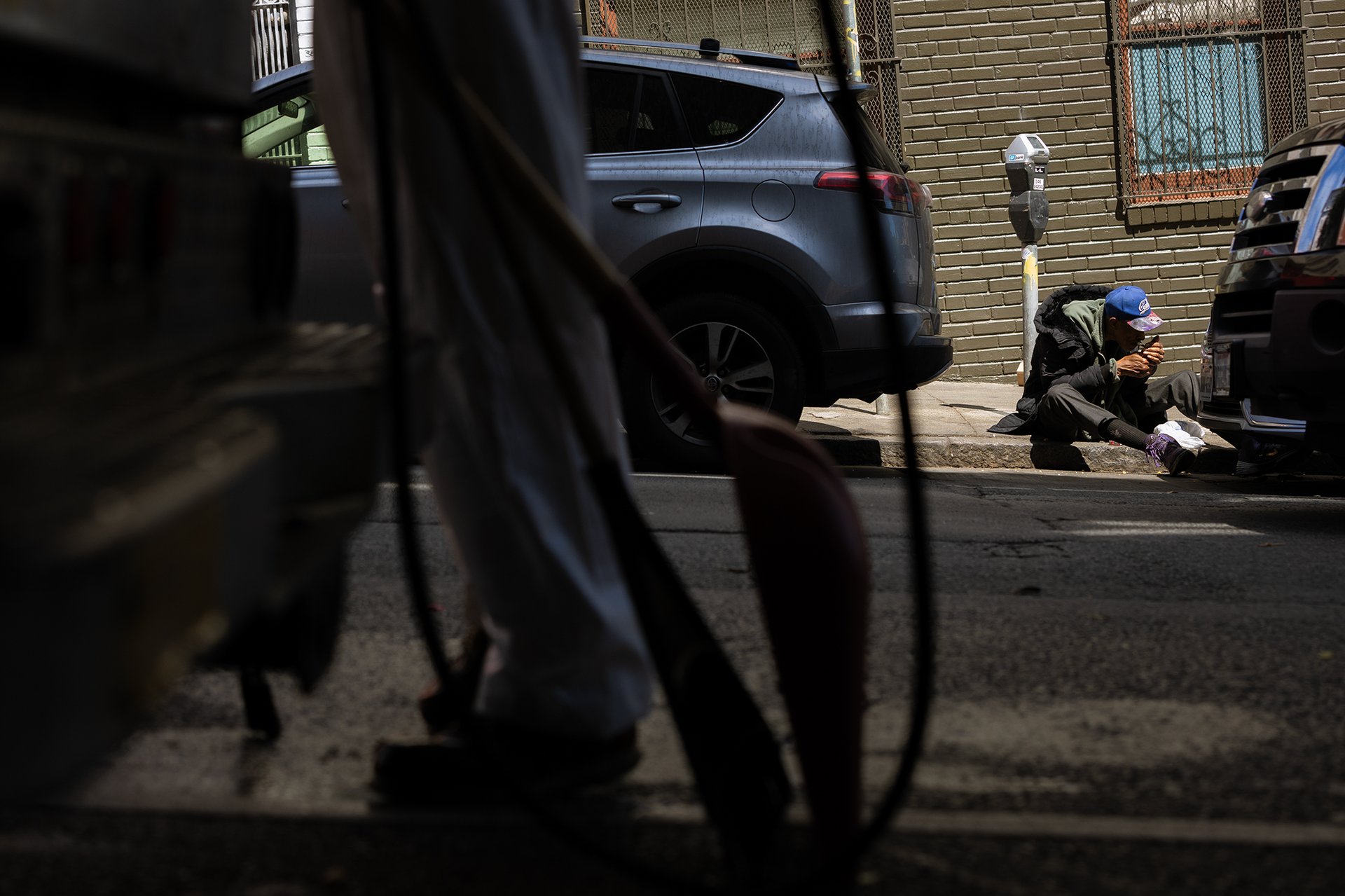
Governor Newsom signed Assembly Bill 1556, which clarifies that sober housing providers can qualify for state funds if they follow certain rules. The law aims to expand options for people who want to maintain sobriety, after years of a housing-first approach that prioritized low-barrier programs. The shift is significant because it changes which providers can access state homelessness dollars.
The practical question is whether this expands the total supply of housing or simply redirects existing funds. Providers will need to document their rules and outcomes, and counties will need to decide how to balance low-barrier and sobriety-focused options. For families navigating addiction, the new law may open doors that were previously closed, but only if local agencies actually apply for the funds.
Trump Announces Voluntary AI Safety Accord with Tech Leaders
What's being decided
A voluntary AI safety agreement with no published details is now the federal baseline.
President Trump said he and leaders of major AI companies signed a voluntary agreement to self-police AI development, including internal and external reviews. Details of the accord were not immediately released. The announcement came during a summit that also produced an executive order requiring the government to refer to artificial intelligence as 'Super Intelligence.'
Voluntary agreements are only as strong as the transparency behind them. Without published standards, independent audits, or enforcement mechanisms, the accord functions more as a press release than a regulatory framework. For readers, the key question is whether this becomes a floor that companies build on or a ceiling that prevents stronger rules. The answer will show up in state legislatures and in courtrooms over the next year.
Work & money
What's coming for jobs and costs
Future question → story → impact on you
Future question What's coming for jobs and costs?
This section watches the changing shape of work: who gets oversight, who gets left behind, and how safety and accountability are enforced. We focus on September 2026 stories that will affect your job, your commute, and your community.
In this section
Impact on you What to watch in your paycheck, rent, or business
Oakland Police Exit 23-Year Federal Oversight After Landmark Reforms
What's coming for jobs and costs
The longest federal police oversight in U.S. history has ended, and the reforms now face their real test.
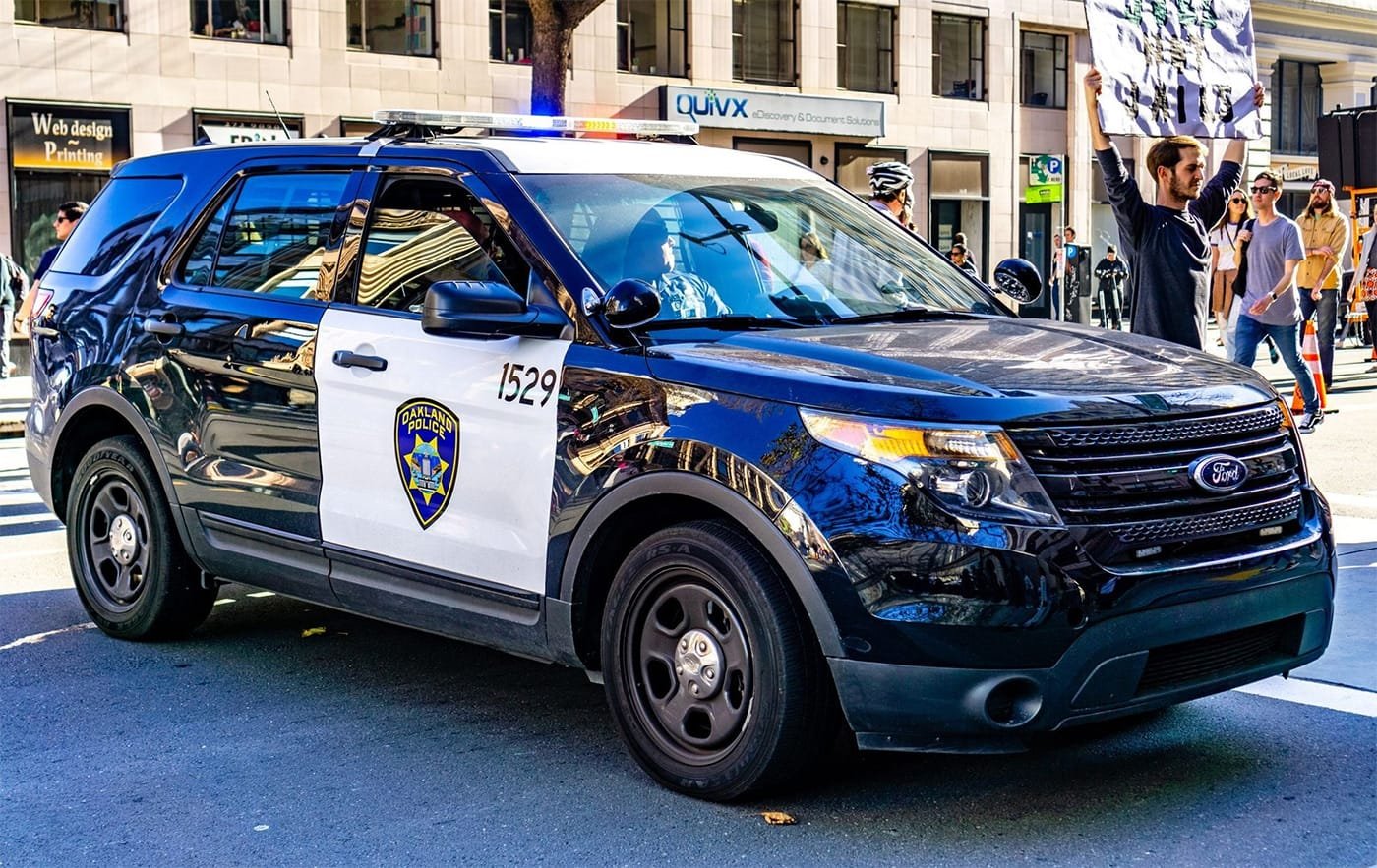
A federal judge has ended the longest-running federal oversight of an American police department, concluding 23 years of monitoring the Oakland Police Department. The oversight stemmed from a scandal and required the department to implement 51 reforms on use of force, discipline, training, and internal affairs. Mayor Barbara Lee and Chief James Beere celebrated the decision, with the judge stating it was time for the court to step aside.
The end of oversight does not mean the end of scrutiny. It means the scrutiny moves from a federal courtroom to city hall, the police commission, and the ballot box. Oakland residents will now depend on local accountability structures that have historically been weaker than the federal monitor. The next two years will reveal whether the reforms became culture or just compliance.
Young Workers Shift to Hands-On Jobs Amid AI Anxiety
What's coming for jobs and costs
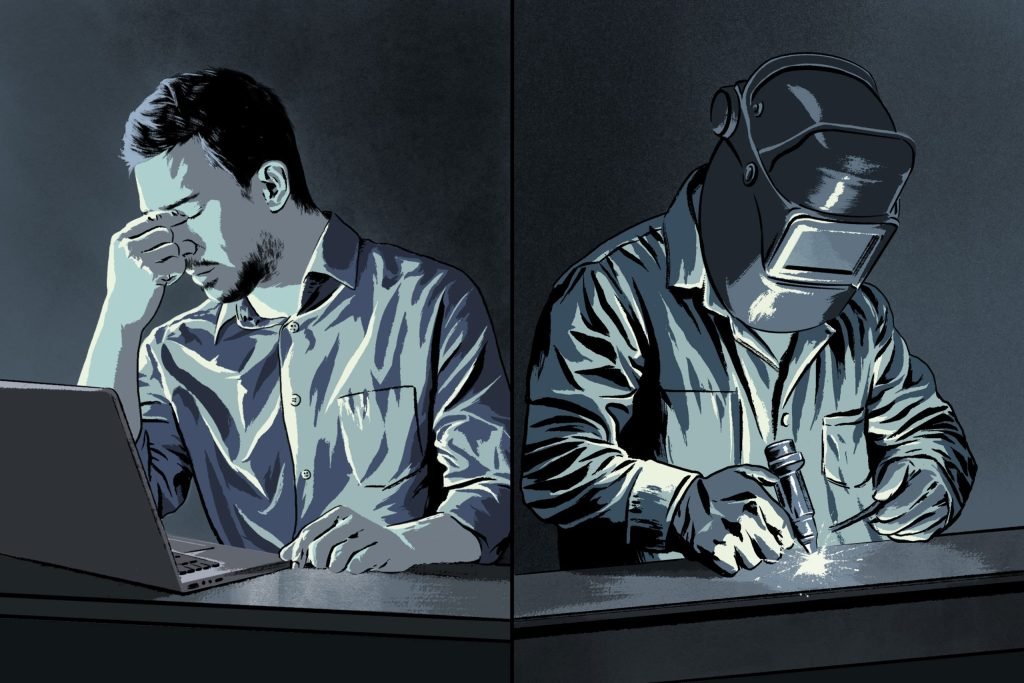
Some young workers are trading white-collar tracks for jobs that AI cannot easily replace.
Some young workers are leaving white-collar fields for hands-on roles as AI automates tasks. Keon Davis, a former marketing student, now teaches third grade, believing human connection is less replaceable. The trend is small but telling: it suggests that the first wave of AI anxiety is already reshaping career choices for people entering the workforce.
This is not a rejection of technology; it is a recalibration of what counts as a durable skill. Hands-on roles in education, skilled trades, health care, and repair work require physical presence, trust, and judgment that current AI systems struggle to replicate. The risk is that these roles are often lower-paid and less prestigious, even as they become more economically resilient.
SF Pedestrian Death Raises Fresh Questions About Street Safety
What's coming for jobs and costs

An 80-year-old pedestrian was killed in a crosswalk, adding to a grim pattern at city intersections.
An 80-year-old pedestrian was killed near Rossi Playground in San Francisco's Inner Richmond on Monday when a tow truck driver allegedly struck them in a crosswalk while turning from Arguello Boulevard onto Anza Street. The death adds to ongoing concerns about pedestrian safety at city intersections. The location is a busy corridor near a school and a park, where turning vehicles and foot traffic regularly mix.
San Francisco has committed to Vision Zero, but the data keeps showing that crosswalk design and driver behavior remain the hardest problems to solve. The city has tools: daylighting, leading pedestrian intervals, and turn calming. The question is whether they will be deployed at the intersections where older residents and children actually walk, and whether enforcement follows.
Schools & households
What the next generation is absorbing
Future question → story → impact on you
Future question What will schools and families face next?
This section watches what schools and campuses are required to do with new money and new mandates. We focus on September 2026 laws and debates that will shape what students learn and how safe they are.
In this section
Impact on you What this means if you parent, teach, learn, or pay tuition
New California Law Clarifies K-12 Arts Funding Under Prop. 28
What the next generation is absorbing
A billion dollars a year for arts education now has clearer rules, and schools that returned money can try again.
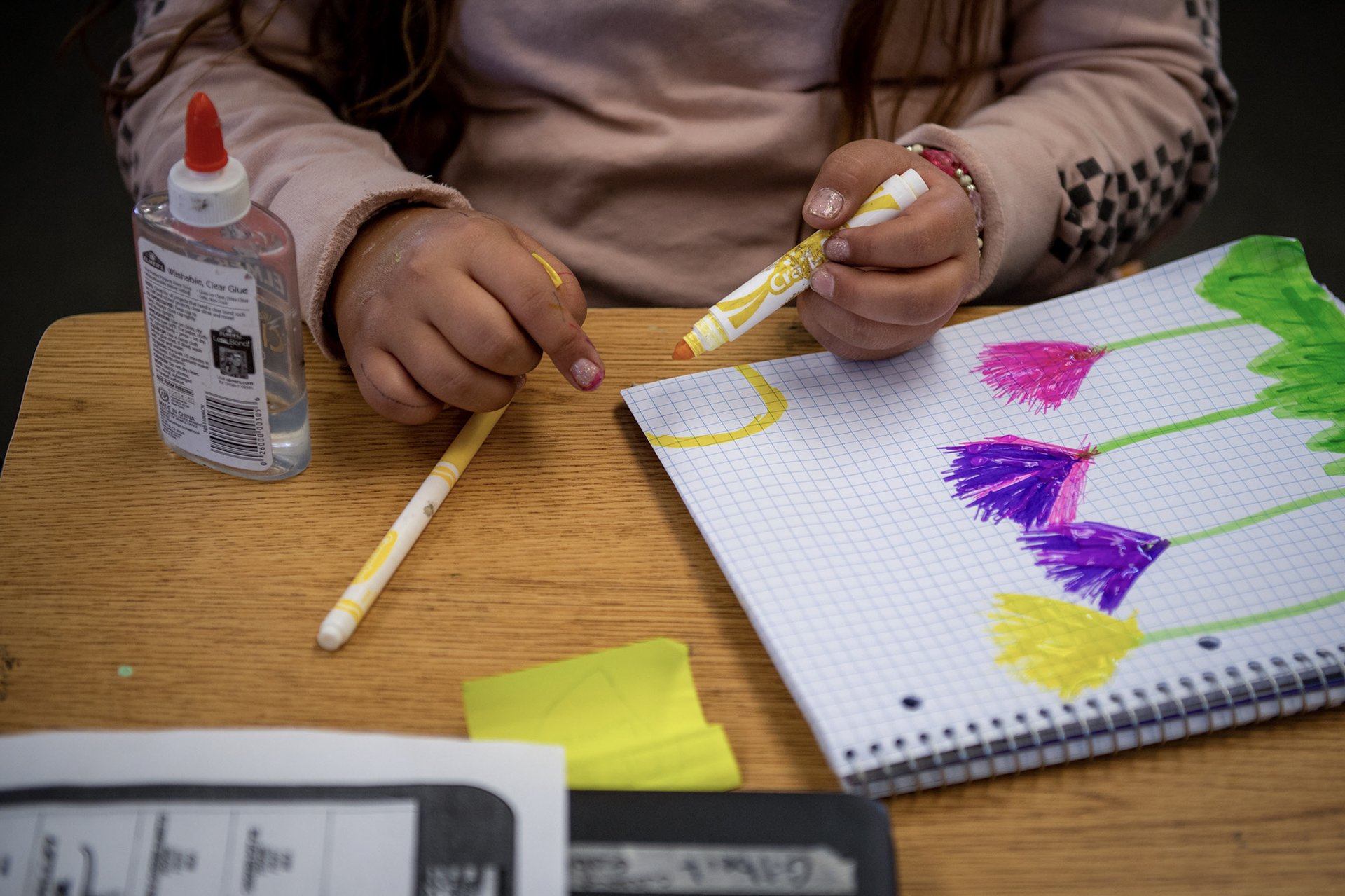
Governor Newsom signed Assembly Bill 2440 to provide clearer guidelines for schools spending Proposition 28 arts education funds. The 2022 measure allocates about $1 billion annually, but some schools returned money due to confusion and legal fears. The law aims to ensure funds supplement, not replace, existing arts programs.
The clarification matters because Prop. 28 money is substantial and recurring. Schools that hesitated can now plan multi-year arts programs, hire teachers, and partner with community arts organizations. The risk is that districts will use the new flexibility to backfill budgets rather than expand arts, which the supplement-not-supplant rule is designed to prevent.
California Enacts New Laws to Protect College Sexual Assault Survivors
What the next generation is absorbing
New campus rules target trafficking prevention and the misuse of evidence documenting assaults.
Governor Newsom signed several bills to enhance protections for sexual assault survivors on college campuses. One law requires universities to improve human trafficking prevention training, while another aims to prevent the dissemination of evidence documenting assaults. The legislation was inspired by cases including that of Denise Huskins Quinn and Aaron Quinn.
These laws address a gap between reporting an assault and surviving the aftermath. Survivors have long described being re-traumatized by how evidence is handled and shared. The new requirements put pressure on campuses to train staff, secure records, and treat survivors as people with rights rather than case files. Enforcement will depend on students knowing the rules exist.
Caltech Mathathon Sparks Debate Over AI's Role in Research
What the next generation is absorbing
A student math event sponsored by AI companies triggered a backlash from mathematicians worried about 'slop mathematics.'
Caltech students organized a 'Mathathon' sponsored by Anthropic and OpenAI, prompting backlash from mathematicians who questioned AI's value in research and warned of 'slop mathematics.' The event was redesigned after an open letter from current and former Caltech mathematicians. The dispute is a small but sharp example of a larger fight over how AI enters academic work.
The concern is not that AI is useless in mathematics; it is that AI-generated proofs and results can look plausible while being wrong, and that sponsorship by AI companies can shape what questions get asked. The redesigned event suggests that student organizers and faculty can negotiate terms, but it also shows how quickly a research culture can be pulled toward industry priorities.
Tech, climate & systems
What's arriving faster than people think
Future question → story → impact on you
Future question What's arriving faster than people think?
This section watches the physical and financial infrastructure that will determine how you live with a changing climate. We focus on September 2026 stories about energy, land, and the technology that consumes both.
In this section
Impact on you What to prepare for, ignore, or try this month
Tech, climate & systems · 1 / 3
Startup Proposes Nuclear-Powered Data Center on Utah Public Land
What's arriving faster than people think
A plan for 450 reactors on 9,500 acres of Utah public land would power AI computing at an unprecedented scale.
Valar Atomics aims to install over 450 reactors across more than 9,500 acres in Utah to power a massive data center project. The proposal raises questions about energy infrastructure, public land use, and the growing demands of AI computing. The scale is difficult to overstate: it would be one of the largest energy projects in the American West, built primarily to serve data centers rather than homes.
The project sits at the intersection of three debates: how much energy AI should consume, who gets to use public land, and whether nuclear power can be deployed at this speed and scale. Even if the reactors are never built, the proposal changes the terms of the conversation by making the AI energy demand visible and concrete. Utah residents and tribal nations will have a say, and so will the grid operators who must balance the load.
Tech, climate & systems · 2 / 3
AI Startup Flow Engineering Raises Funding at $750M Valuation
What's arriving faster than people think
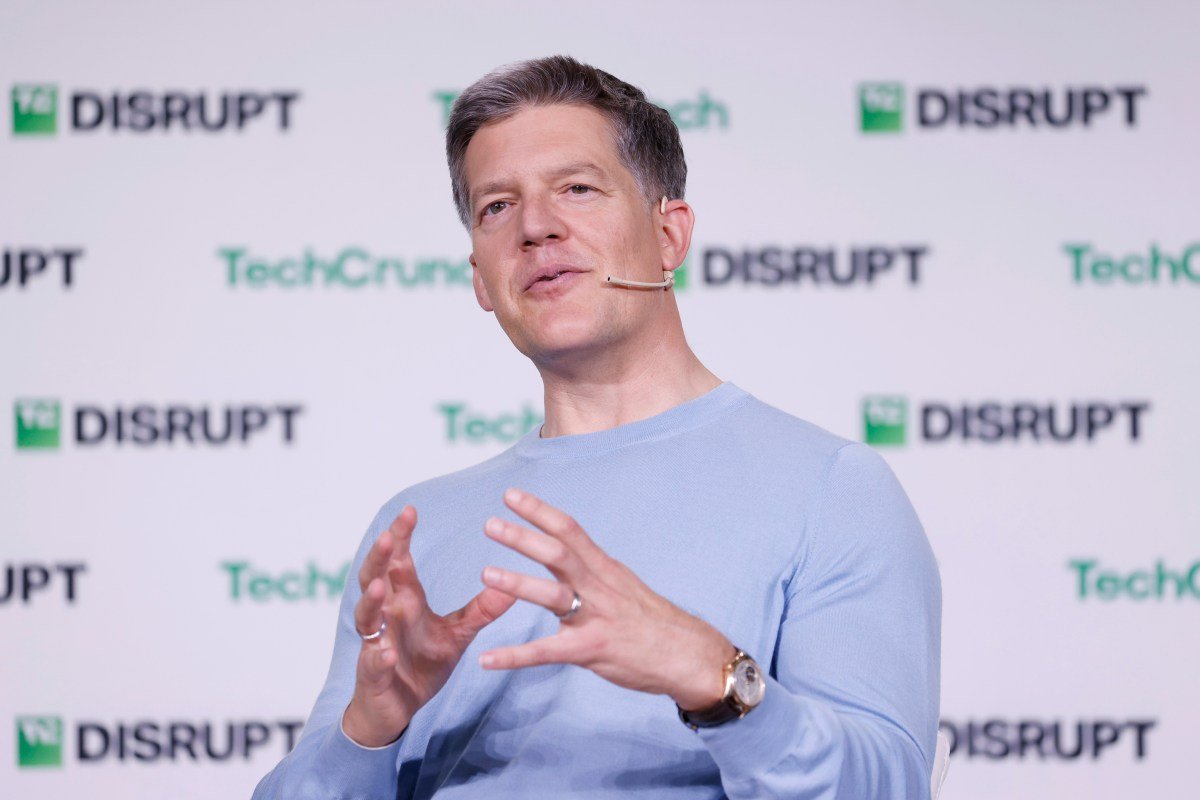
AI agents for hardware design are now worth three-quarters of a billion dollars, and the money is betting on physical products.
Flow Engineering, which applies AI agents to hardware design, has secured backing from Valor, Atreides, and Sequoia at a $750 million valuation. Roelof Botha joined as an angel investor and board member. The investment signals that venture capital sees AI's next frontier as physical: chips, machines, and the supply chains that build them.
Hardware design is slow, expensive, and error-prone, which is exactly why AI agents are attractive to investors. If the technology works, it could shorten the time between an idea and a manufactured product, with consequences for manufacturing jobs, energy use, and national competitiveness. If it does not, it will be another example of capital chasing a demo.
Tech, climate & systems · 3 / 3
ElevenLabs Valuation Doubles to $22B in Employee Tender
What's arriving faster than people think
An AI voice company doubled its valuation, and the technology is already in customer service lines and media tools.
AI voice startup ElevenLabs has doubled its valuation to $22 billion. The $300 million employee tender was co-led by Wellington and T. Rowe Price. The valuation jump reflects both revenue growth and investor appetite for voice interfaces that can generate, clone, and translate speech at scale.
Voice AI is one of the fastest-deploying consumer technologies because it requires no new hardware and fits into existing phone lines, apps, and media workflows. That speed is also the risk: voice cloning enables fraud, misinformation, and the erosion of consent around a person's likeness. The regulatory response is still forming, which means the burden falls on platforms and users.
Business of the month
Who’s building what’s next
Share this showcase: kfn.one/monthly/2026-10#showcase
Future question Who’s building for what’s next — and who should you support or learn from?
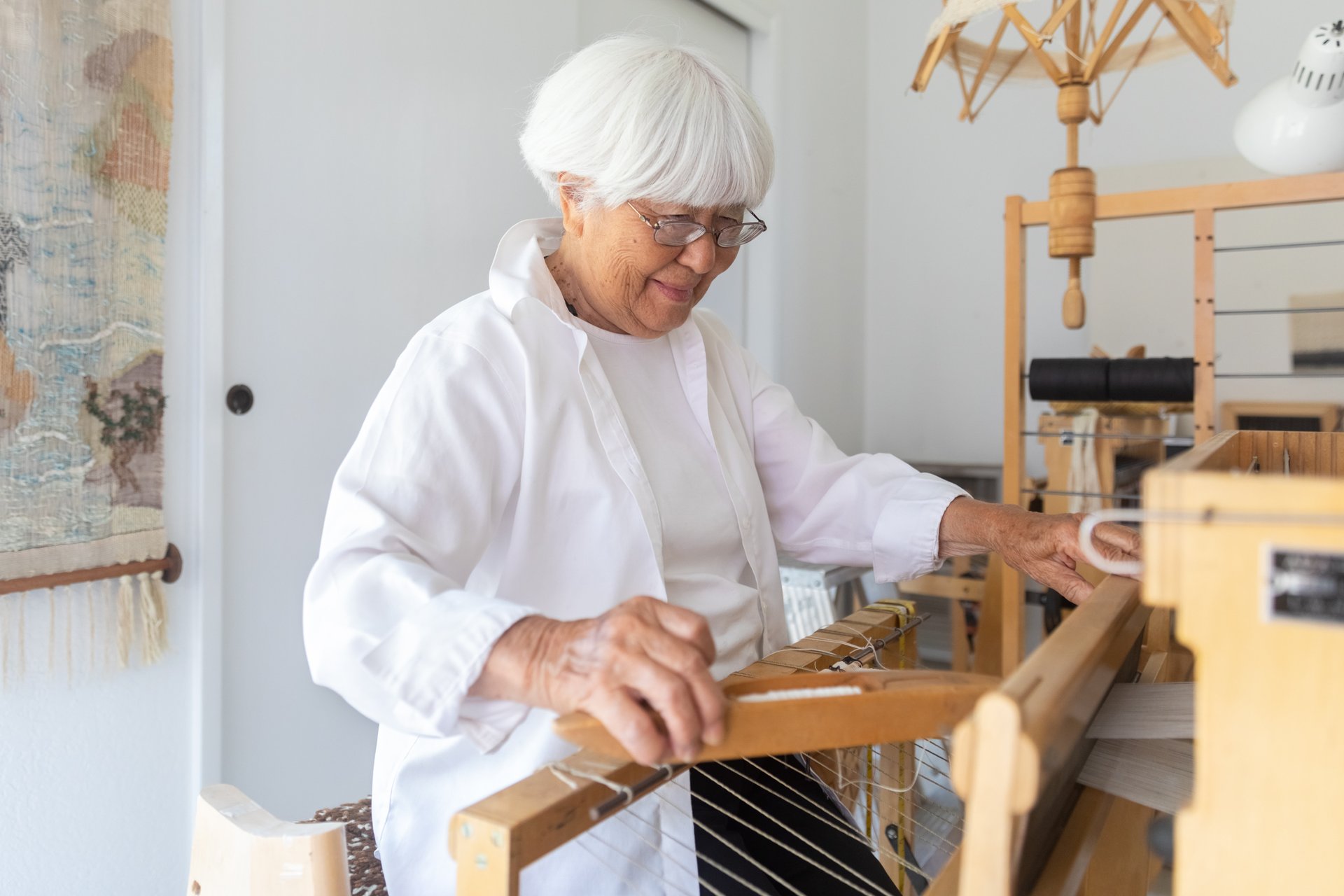
A Berkeley fiber artist turns 100, and her life's work is a reminder that craft outlasts trends.
Featured · October 2026
Kay Sekimachi at 100: The Weaver's Weaver
Renowned Berkeley fiber artist Kay Sekimachi turns 100 today, and her century of work offers a quiet counterpoint to a month of AI valuations and legislative fights.
She first learned weaving at California College of Arts and Crafts in the late 1940s, and she has been redefining the craft ever since.
Kay Sekimachi is known as a 'weaver's weaver,' an artist whose technical mastery and material curiosity have influenced generations of fiber artists. She first learned weaving at California College of Arts and Crafts in the late 1940s, and her career has spanned decades of experimentation with nylon, paper, and other unconventional materials. Her work is held in major museum collections and continues to be studied by makers who care about structure as much as surface.
Turning 100 is a milestone, but the more interesting story is longevity of practice. Sekimachi kept working, teaching, and refining her craft across enormous cultural and technological change. In a month when we covered AI voice clones and nuclear-powered data centers, her century reminds us that some of the most durable human skills are the ones you can hold in your hands.
For readers, the lesson is not nostalgia. It is that mastery compounds. The weaver who learns one more structure each year ends up with a body of work that no algorithm can replicate, because it is rooted in touch, patience, and a specific place. Berkeley is lucky to have her, and so is anyone who picks up a loom because of her.
Your Voice / Fights
What people are already pushing back on
Future question Where does your voice or action fit?
What did we miss in September 2026? Send us the local story, the bill, or the street corner that deserves a closer look.
Reader tips become part of the public record here. When you send a link, a photo, or a question, we verify it and follow the paper trail. That is how a single intersection or a single school board meeting ends up in a notebook like this one. If something in your neighborhood changed last month, tell us, and we will look at what it means for the months ahead.
Wind down
How to stay human in all this
September 2026 gave us antitrust, arts funding, and a 100th birthday. Here is what we are still thinking about as October begins.
Future question How do you rest without checking out of what matters?
-
Antitrust
California now has a new antitrust law, which is great news unless you are a monopoly, in which case it is just a strongly worded suggestion.
-
AI safety
The White House signed a voluntary AI safety accord with no published details, which is exactly how I handle my own safety accords.
-
Nuclear data
A startup wants 450 nuclear reactors in Utah to power AI, because nothing says 'cloud computing' like a mushroom cloud.
-
Voice clones
ElevenLabs doubled its valuation, so if your mother calls asking for your bank password, ask her a question only she would know.
-
Arts funding
California clarified how schools spend a billion dollars on arts education, and somewhere a tuba just breathed a sigh of relief.
-
Oakland police
Oakland ended 23 years of federal police oversight, which means the next 23 years are on us.
-
Mathathon
Caltech students held an AI-sponsored Mathathon, and mathematicians responded with an open letter, which is the academic equivalent of a food fight.
-
Sober housing
California opened state funds to sober housing, proving that policy can change its mind without a 12-step program.
-
Pedestrian safety
An 80-year-old was killed in a crosswalk, and the city's Vision Zero plan is starting to feel like a vision board.
-
Weaver at 100
Kay Sekimachi turned 100, and her loom has outlasted every tech trend we covered this month, which is the most Bay Area sentence ever written.
Mind Floss
Three quick games. Play, check, move on.
Word search, anagrams, and quick logic games.
Word search: Bay Area September
Find all words from the word bank (forward or downward).
Word bank
Anagrams
Unscramble each word. Item 2 is the freebie.
- CIVIC (gimme, already in order.)
-
OMLO
Answer
LOOM
-
IDRG
Answer
GRID
-
EASF
Answer
SAFE
-
NRTAI
Answer
TRAIN
Quick pick
Tap the stronger future signal.
-
Read your county's antitrust filing page once this month
-
Assume a voluntary AI accord has published standards
-
Set a family passphrase for voice-call emergencies
Dots and crosses
Play against KFN. You are X. you move, then KFN moves.
Your turn (X)
Winner: -
Connect four
Tap a column (▼ above or any hole in that column), KFN drops next.
Your turn
Rock, paper, scissors
Best of three vs KFN. You pick, then KFN picks.
Round 1 · Pick one
You 0 · KFN 0
Mini Sudoku (4x4)
Fill each row, column, and 2x2 box with 1-4.
Answers
Word search: ANTITRUST, WEAVER, CROSSWALK, REACTOR, ARTS, VOICE, SOBER, OVERSIGHT.
Anagrams: CIVIC, LOOM, GRID, SAFE, TRAIN.
Quick pick: 1 Signal, 2 Noise, 3 Signal.
Mini Sudoku: 1 2 3 4 / 3 4 1 2 / 2 1 4 3 / 4 3 2 1.
Come back
Same question next month
What’s coming — and what it means for you
If you see something coming before the headlines do, tell us. The next issue is written from what people are already watching.