From the editor
What's coming — and what it means for you
Future question What shifted this month — and why should you care this week?
June was not a month of big speeches. It was a month of small, consequential moves — and this notebook tracks them.
June 2026 will not be remembered for a single headline. It will be remembered for the accumulation: a federal aid overhaul taking effect July 1, a 10-day physician protest across 17 hospitals, a chemical tank in Garden Grove that nearly exploded over a holiday weekend, and a Justice Department fund paused by a court. None of these were surprises to the people watching. All of them were surprises to the people who weren't.
That is the pattern KFN exists to catch. The stories in this notebook are not predictions — they are the receipts. Each one is grounded in something KFN surfaced on the Today page during June 2026, and each one ends with a concrete thing you can watch, protect, learn, practice, or decide. The goal is not to alarm you. The goal is to make sure you are not the last person to find out.
Succeeding as a human in the years ahead will depend less on big bets and more on small readiness: knowing which loan rules changed, which school district finally stopped sending kids across the bay, which surveillance vendor is coaching your police department, and which search engine now lets you opt out of AI. June gave us all of that. July is when you act on it.
Thank you for reading, and for sharing what we should be paying attention to next.
Civic decisions
What's being decided
Future question → story → impact on you
Future question What's being decided next?
This section watches the rules that move money, health, and safety — the ones that rarely trend but always land. June's policy stories were about aid cuts, court pauses, and regulatory blind spots.
In this section
Impact on you What may change at your school, bill, street, or job
California governor's race in suspense as Democratic voters hold onto ballots
What's being decided
With about 24 hours until polls close, the California governor's race remains a three-way competition for the top-two spots. Nonpartisan polls show Democrat Xavier Becerra ahead, with Republican Steve Hilton and Democrat Tom Steyer neck-and-neck for second. Only 15.10% of ballots
Aid workers in Uganda spent June scrambling to prepare for a potential surge in Ebola cases from the neighboring Democratic Republic of Congo, but foreign aid reductions undermined frontline efforts. The crisis is a real-world demonstration of what budget cuts do to global health security: not immediately, not dramatically, but steadily — fewer contact tracers, slower lab turnarounds, thinner stockpiles.
The World Health Organization's director-general, Tedros Adhanom Ghebreyesus, called for community cooperation to contain the outbreak in DRC's Ituri province, following protests against medical protocols for handling victims' bodies. That detail matters. Outbreak response is not just a logistics problem; it is a trust problem. When communities distrust the protocol, the virus gets more room to move.
For readers in the Bay Area, the connection is not abstract. Global health security is a supply chain, a research pipeline, and a travel-risk map all at once. The same cuts that slow response in Ituri also slow the surveillance networks that give early warnings everywhere else.
U.S. Bombs Iranian Military Sites; Kuwait Hit by Drone and Missile Fire
What's being decided
The Strait of Hormuz is now a live conflict zone again — and that is an energy-price story before it is anything else.
In early June, the U.S. military bombed Iranian radar and drone control sites in response to Tehran shooting down an American MQ-1 Predator drone. Kuwait reported that its air defenses opened fire on Monday amid escalating regional tensions, and Kuwait condemned what it called repeated Iranian attacks on American forces stationed there. The exchange was the sharpest military escalation around the Strait of Hormuz in months.
The Strait is not a distant chokepoint. Roughly a fifth of the world's oil moves through it, which means every escalation there shows up in fuel prices, shipping insurance, and airline routing within weeks. The diplomatic track — reports that Trump sought edits to the U.S.-Iran deal regarding the Strait and the removal of highly enriched uranium — stalled in parallel.
What June established is that the region can absorb a strike and a counterstrike without a full war, but not indefinitely. The risk is not a single dramatic event; it is a slow ratchet where each side tests the other's threshold and the margin for error narrows.
Justice Department Will Comply with Court Order Pausing 'Anti-Weaponization' Fund
What's being decided

A $1.776 billion fund is now in legal limbo — and the precedent matters more than the money.
The Justice Department said in June that it strongly disagrees with a court ruling that paused a $1.776 billion fund intended for victims of government weaponization, but confirmed it will abide by the order. The fund, tied to the Trump administration, remains in legal limbo as Congress and the courts both scrutinize it.
The story is less about the dollar figure than about the mechanism. A fund of that size, created by executive action and paused by judicial order, tests how much spending authority can be asserted without congressional appropriation. That question will outlast this particular fund.
For readers, the practical takeaway is that federal programs announced with fanfare can be frozen, restructured, or dissolved before a single check goes out. If you are eligible for any program announced in the last year, the safe assumption is that eligibility is not the same as availability.
Work & money
What's coming for jobs and costs
Future question → story → impact on you
Future question What's coming for jobs and costs?
This section watches the labor market, the workplace, and the businesses that shape both. June's work stories ran from a hospital protest to a pizza pop-up to an AI company filing for an IPO.
In this section
Impact on you What to watch in your paycheck, rent, or business
UCSF Interns and Residents Launch 10-Day Protest for New Union Contract
What's coming for jobs and costs
Physicians in training walked out across 17 hospitals — and the contract they win will set the template for the next round.
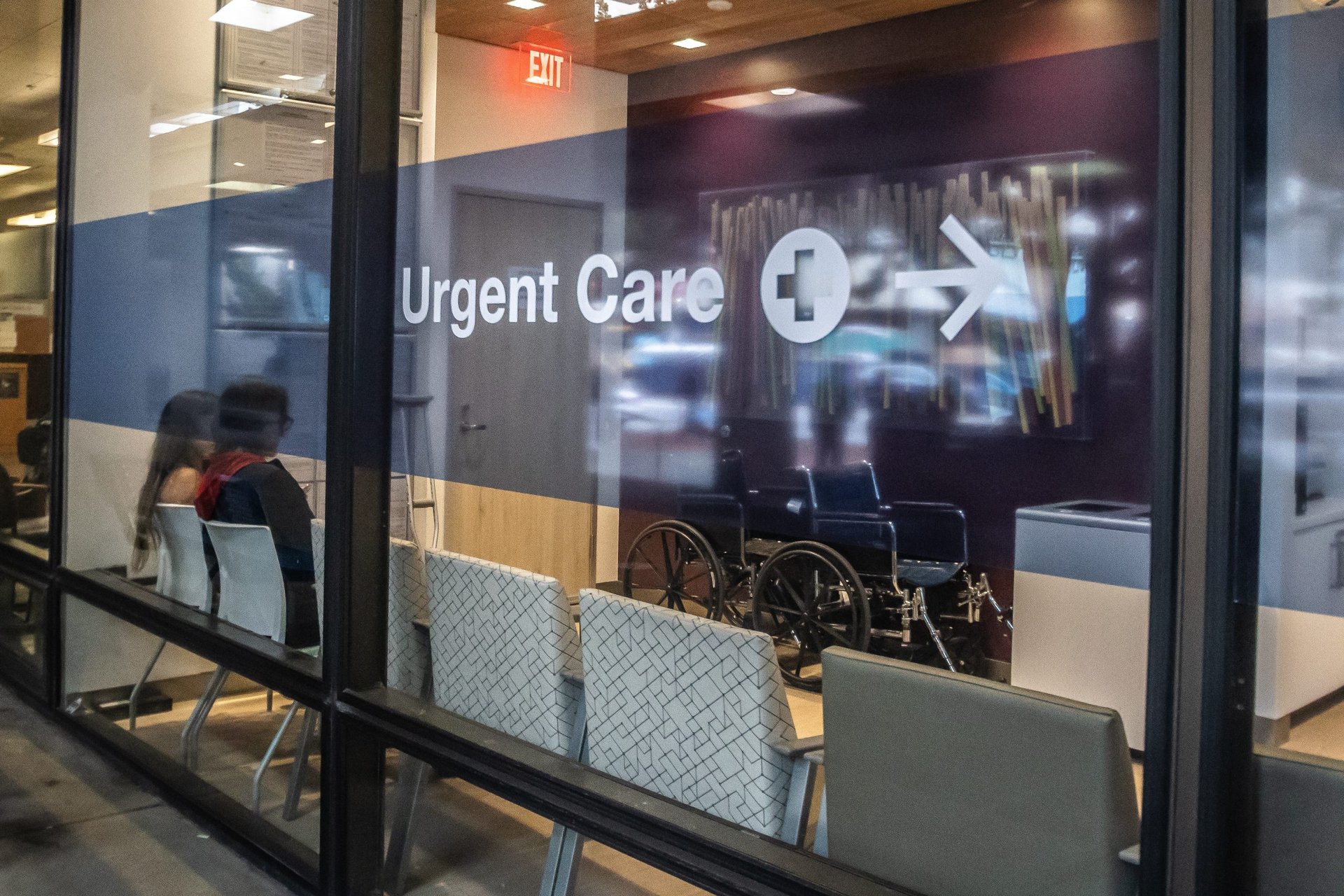
In June, physicians in training at UCSF began a 10-day protest across 17 hospitals, demanding a new union contract. The action highlighted ongoing labor disputes as interns and residents seek better working conditions and compensation — the same pressure that has been building in residency programs nationally as burnout rates stay high and pay has not kept pace with housing costs.
Resident labor is a specific kind of leverage. These are not replaceable workers; they are the people who staff overnight wards, run codes, and keep teaching hospitals functioning. A 10-day action across 17 sites is designed to be felt without being catastrophic — a pressure campaign calibrated to force a contract without endangering patients.
The outcome will matter beyond UCSF. Residency contracts set expectations for the next cohort of trainees, and a strong settlement here becomes the reference point for negotiations at other academic medical centers in the region.
Anthropic Files for IPO, Joining OpenAI in Race to Public Markets
What's coming for jobs and costs
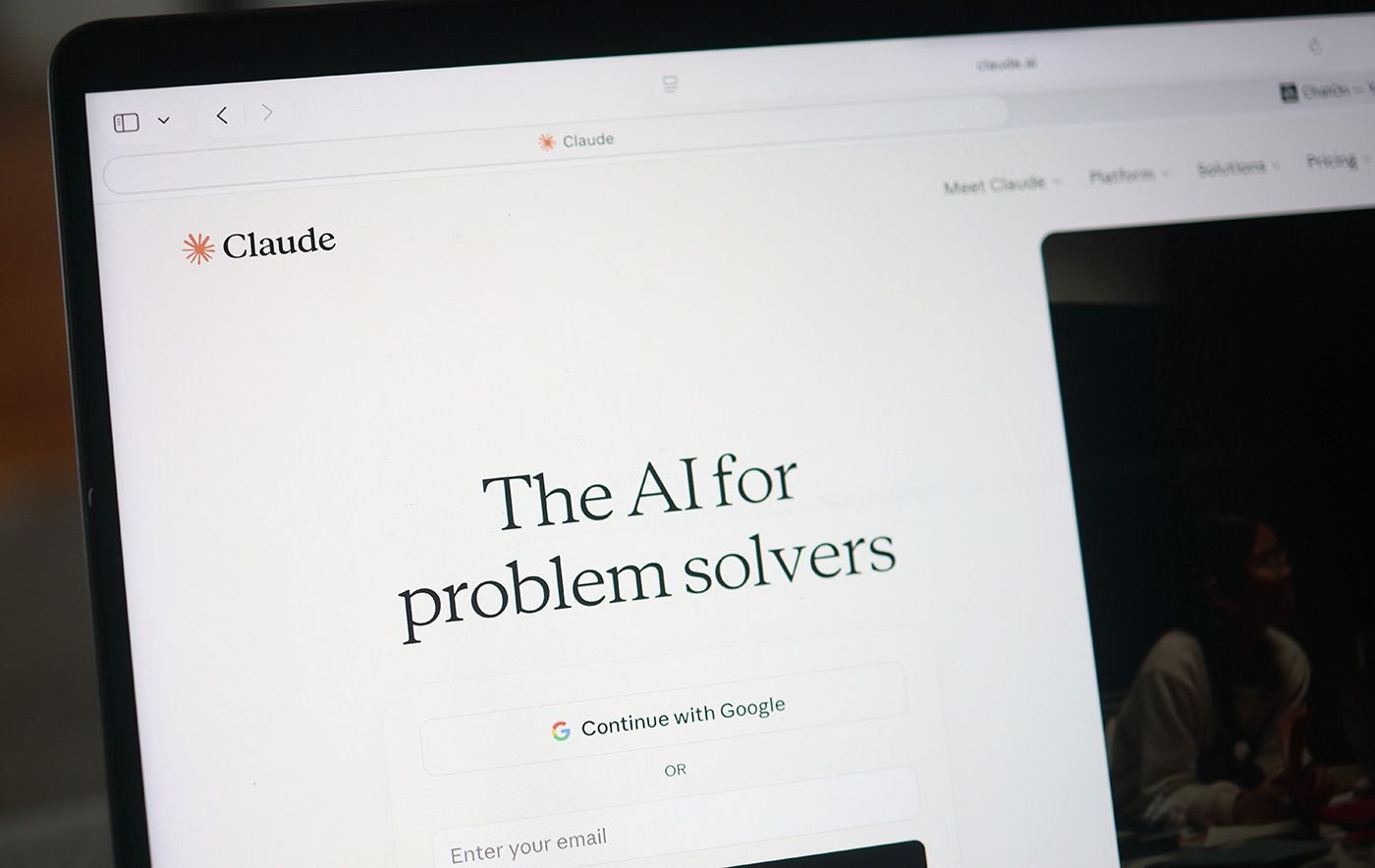
The AI companies that shape your tools are heading to public markets — which changes who they answer to.
Anthropic made a confidential SEC filing in June, signaling a potential IPO that could see the AI company go public alongside rival OpenAI. The move came after a $65 billion funding round pushed Anthropic's valuation to $965 billion, with annual revenue reported at $47 billion driven by its Claude chatbot. The company noted the IPO is not guaranteed and depends on market conditions and SEC review.
A public AI company is a different animal from a private one. Quarterly earnings create pressure to monetize faster, raise prices, and lock in enterprise contracts. The safety commitments that read as credible inside a private lab get tested against shareholder expectations once there is a ticker symbol.
For anyone whose work depends on AI tools — which is most knowledge work now — the practical question is not whether the IPO happens but what pricing and terms look like afterward. Public-market AI companies tend to move upmarket, and the free tiers get thinner.
Lurie's Budget Avoids City Layoffs but Nonprofit Cuts Loom
What's coming for jobs and costs
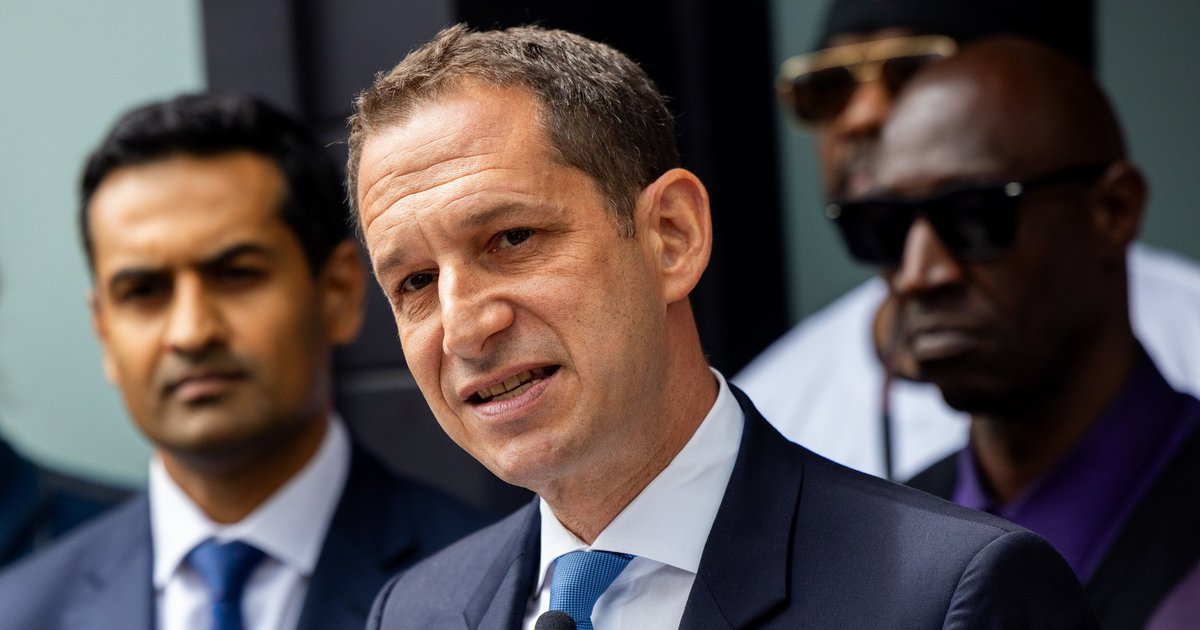
No city layoffs — but the nonprofits that deliver city services are the ones absorbing the cut.
Mayor Daniel Lurie's proposed budget spared city jobs from layoffs in June, thanks to a surprise surplus and a hiring freeze. But cuts to grant funding may lead to nonprofit layoffs, and a projected $1 billion deficit by 2029 poses future challenges. The headline number looked stable; the delivery layer underneath it did not.
This is a familiar pattern in municipal budgeting: protect the payroll you control, reduce the grants you don't. The visible workforce stays intact while the contracted workforce — shelter staff, clinic navigators, after-school providers — absorbs the reduction. Those layoffs do not show up in city headcount, but they show up in service wait times.
The 2029 deficit projection is the part to take seriously. A hiring freeze plus a surplus buys a year or two of stability, not a structural fix. The next budget cycle will be harder, and the nonprofits cut this year will be weaker going into it.
Schools & households
What the next generation is absorbing
Future question → story → impact on you
Future question What will schools and families face next?
This section watches schools, students, and the systems that decide who gets access. June brought a major federal aid overhaul, a local victory for special-needs families, and a hard look at attendance.

In this section
Impact on you What this means if you parent, teach, learn, or pay tuition
Five Major Higher Education Policy Changes Take Effect July 1
What the next generation is absorbing
Federal student aid rules changed on July 1 — and most borrowers have not read them yet.
Starting July 1, significant federal changes to student financial aid rolled out, including new loan repayment and forgiveness options, borrowing limits for graduate students, and expanded Pell Grants for workforce training. Experts are watching closely as these policies reshape access to higher education. The changes were announced earlier but take effect mid-summer, which means fall enrollment is the first real test.
The graduate borrowing limits are the sleeper provision. Professional programs — law, medicine, social work — have long relied on unlimited federal borrowing to cover tuition and living costs. Caps change the math for anyone planning a graduate degree, and they change it most for students without family wealth to bridge the gap.
The expanded Pell Grants for workforce training are the other side of the ledger. Shorter credential programs now have a funding path they did not have before, which opens doors for students who want a specific skill rather than a four-year degree.
Oakland Unified Plans First Local Nonpublic School to End Cross-Bay Commutes for Special-Needs Students
What the next generation is absorbing
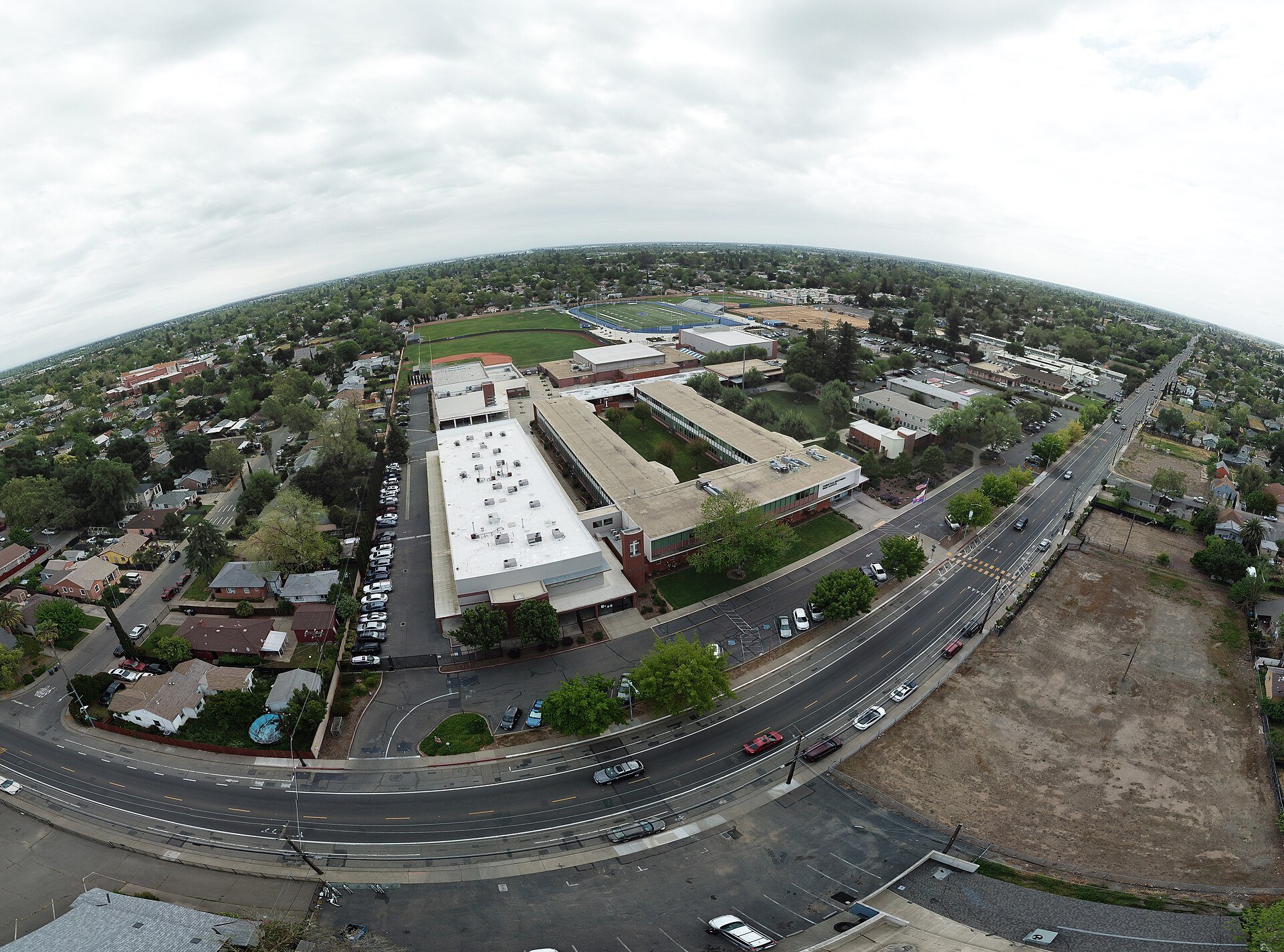
Roughly 100 Oakland students may finally stop commuting across the bay for school.
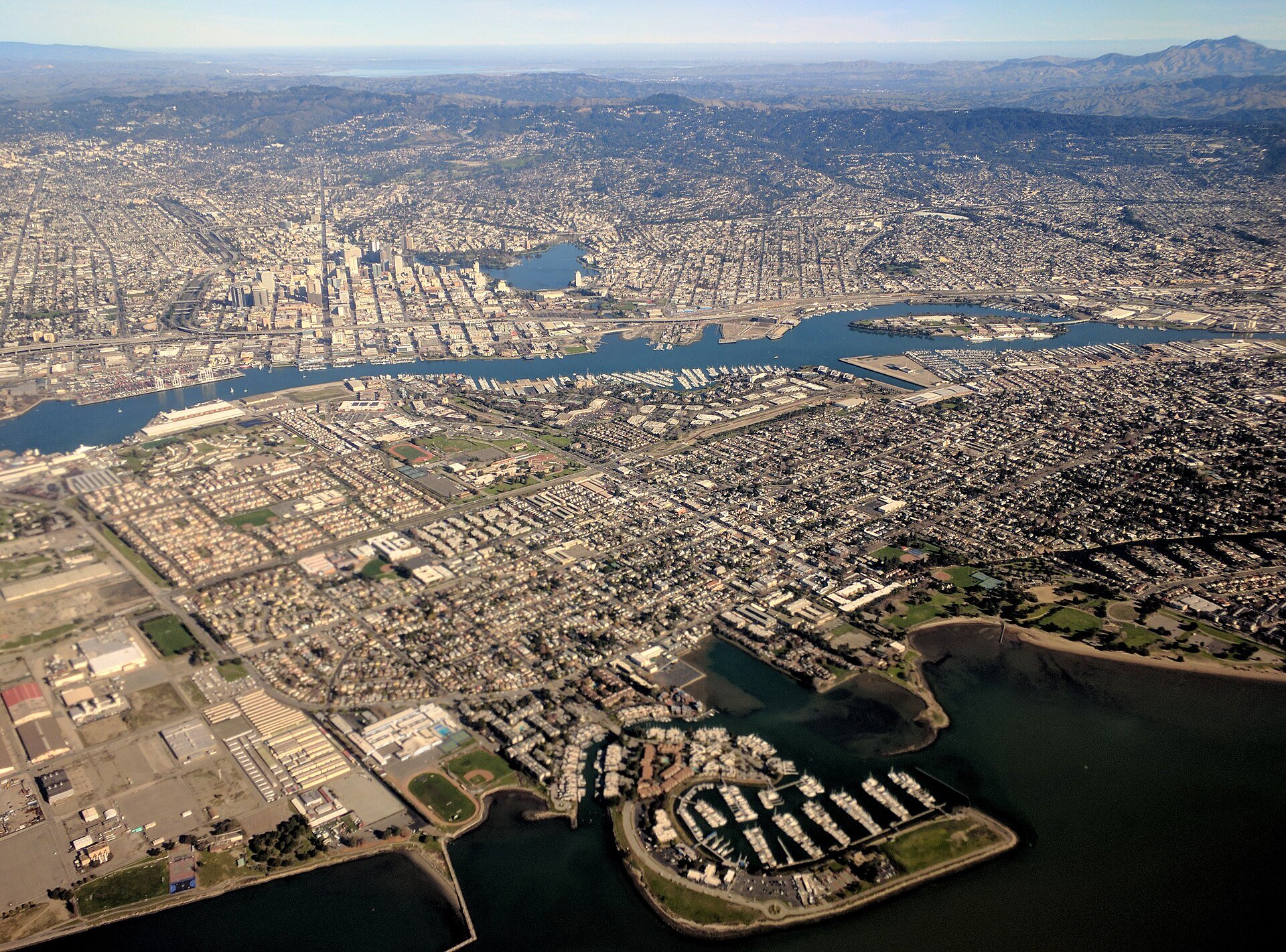
Oakland Unified School District is pursuing its first local nonpublic school to serve students with disabilities, ending years of cross-Bay commutes. Families like Lillian Ansari's endured hourslong drives to Marin, leaving children exhausted. The move aims to improve quality of life for the roughly 100 Oakland students currently placed outside district boundaries.
The cross-Bay commute is one of those costs that never appears in a budget line but dominates a family's week. Hours in a van before and after school reduce instruction time, sleep, and family time simultaneously. A local placement does not just save money — it returns hours to children who need them.
The district still has to build or contract the capacity, and nonpublic school placements are regulated, so this is a multi-year effort. But the direction is set, and the families who have been making the drive are the ones who will feel it first.
Michigan Schools Show Path to Reversing Chronic Absenteeism Through Home Visits
What the next generation is absorbing

The fix for chronic absenteeism may be simpler than anyone wanted to admit: show up at the door, often.
A new study on Michigan schools, which had some of the worst attendance rates in the country, found that frequent home visits — daily or weekly — can significantly boost student attendance. Monthly visits showed little effect, suggesting consistency is key. The finding is unusually actionable for an education research result.
The mechanism is not mysterious. Chronic absenteeism is often a logistics and trust problem: transportation gaps, illness, housing instability, and a family's sense that school staff are calling to scold rather than to help. Frequent visits build the relationship that makes a call for help possible before the absence becomes a habit.
The catch is cost. Daily or weekly visits require staff time that most districts have already cut. But the study suggests that a small, consistent team focused on the highest-absence students may outperform a broad, occasional outreach program — a reallocation rather than a new expense.
Tech, climate & systems
What's arriving faster than people think
Future question → story → impact on you
Future question What's arriving faster than people think?
This section watches the physical and digital environment — data centers, rockets, search engines, and the regulators who are supposed to catch problems before they explode.
In this section
Impact on you What to prepare for, ignore, or try this month
Tech, climate & systems · 1 / 3
South Korean Rocket Startup Unastella Raises $24M After Home Launch
What's arriving faster than people think
Seoul-based Unastella, a rocket startup developing its own launch vehicles and engines, has raised $24 million. The company launched from home and is now scaling its space ambitions.
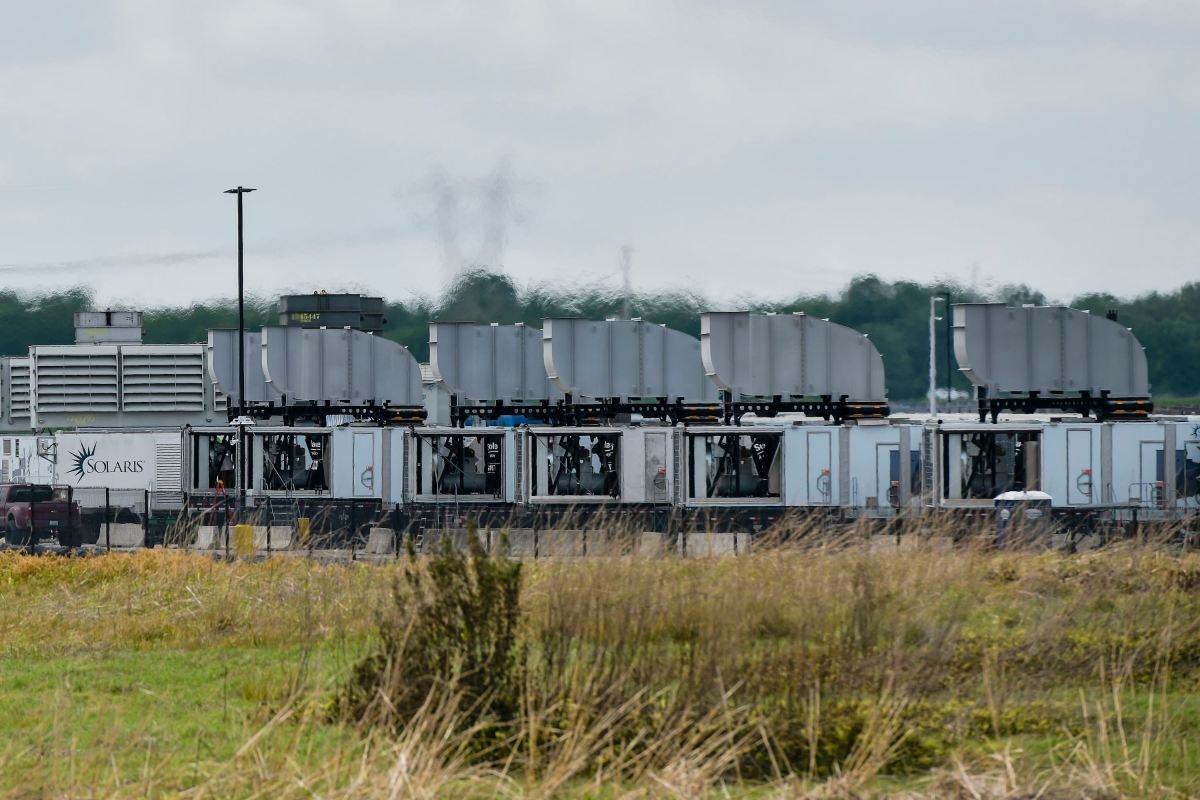
Environmental activist Erin Brockovich launched a new campaign in June targeting the lack of transparency around data center operations. The effort aims to hold the industry accountable for its environmental and community impacts. Data centers consume enormous amounts of water and electricity, and in many jurisdictions they are not required to disclose either figure at the level of detail residents would need to evaluate them.
The secrecy is structural, not accidental. Data centers are often built under nondisclosure agreements with local governments, and utility contracts can be redacted as trade secrets. That means the neighbors most affected — the ones living near substations and water mains — are frequently the last to know what is being built.
Brockovich's involvement matters because it signals that this is becoming a national environmental-justice issue rather than a local zoning dispute. The pattern echoes earlier fights over refineries and landfills: communities learn the terms after the permits are signed.
Tech, climate & systems · 2 / 3
DuckDuckGo Launches 'No AI' Browser Extensions as Traffic Surges
What's arriving faster than people think
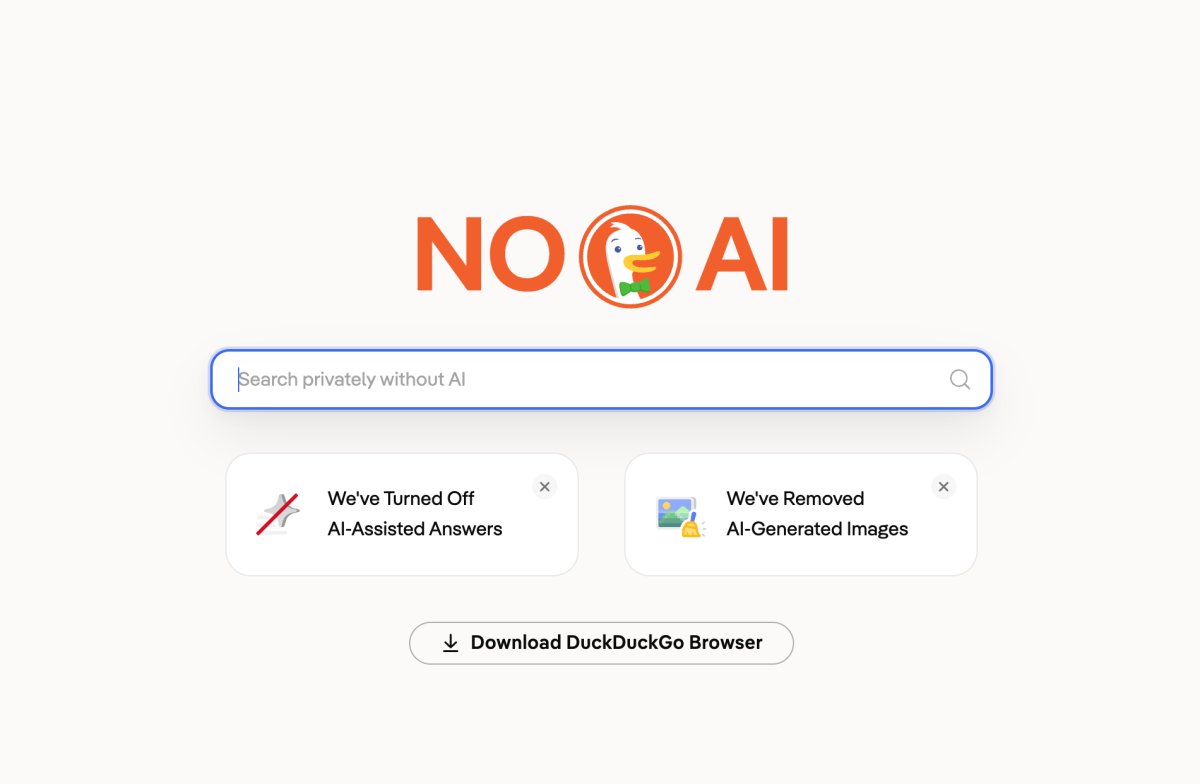
A no-AI search option is now one click away — and that is a meaningful choice about what your browser does with your queries.
Alternative search engine DuckDuckGo released new web extensions for Chrome and Firefox in June that allow users to access its no-AI search engine more easily, as its traffic continues to boom. The extensions are a small product move with a larger signal: a meaningful number of users are actively choosing search results that are not generated or summarized by AI.
The choice is not just aesthetic. AI-generated summaries change what you see, what you click, and what gets measured as a successful search. For researchers, journalists, and anyone who needs to trace a claim to its source, a results page that surfaces links rather than synthesized answers is a different tool.
The surge in traffic also suggests that privacy and AI-avoidance are converging into a single consumer preference. That is a market signal that will shape how search products are built over the next two years.
Tech, climate & systems · 3 / 3
California Regulators Missed Warning Signs Before Chemical Tank Nearly Exploded in Garden Grove
What's arriving faster than people think
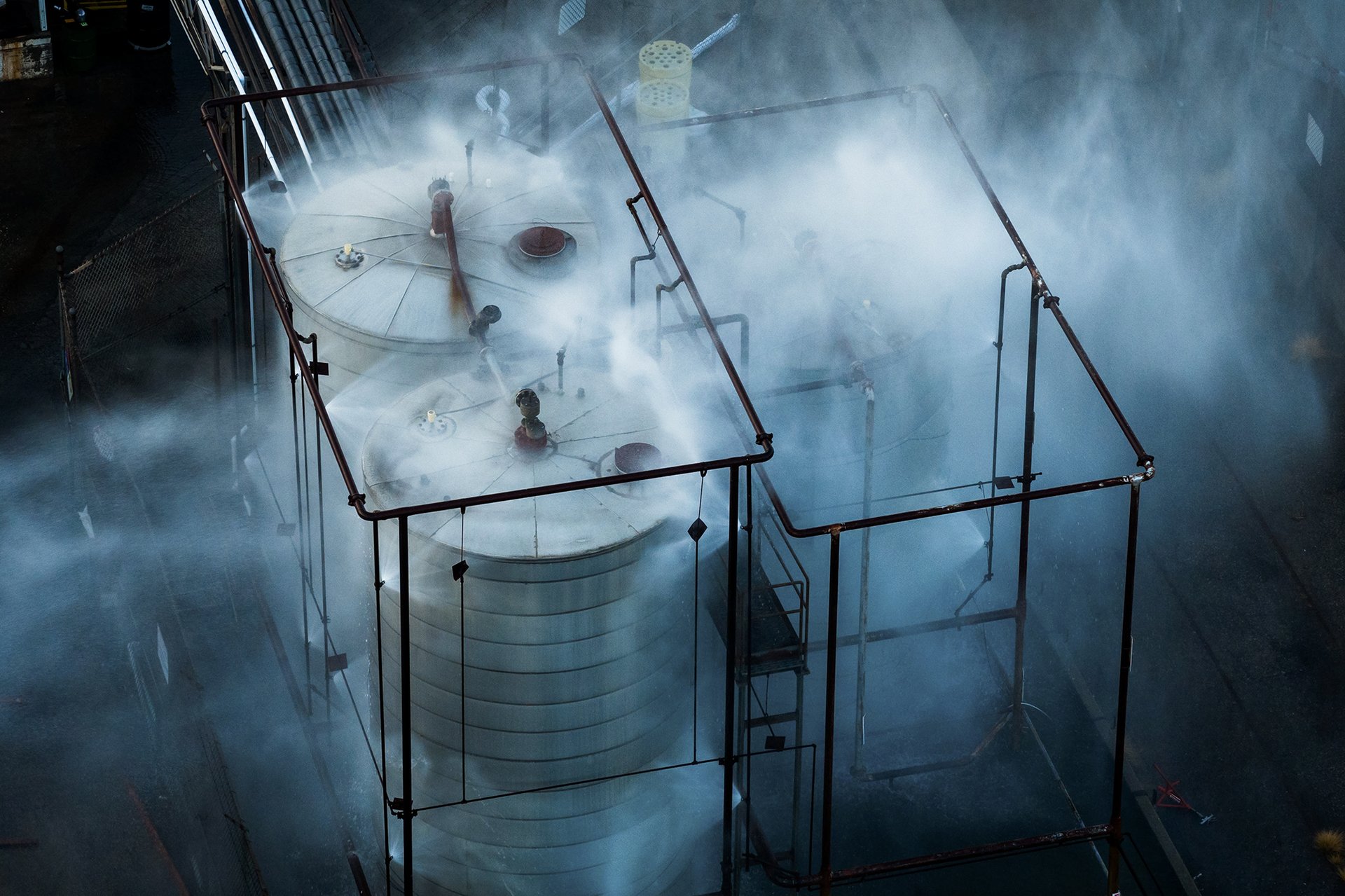
A tank nearly exploded over a holiday weekend, 50,000 people were evacuated, and the warning signs were on file.
A chemical tank at GKN Aerospace in Garden Grove nearly exploded over a six-day holiday weekend, forcing the evacuation of more than 50,000 residents. The tank's cooling system failed, and authorities used drones and a water cannon to monitor and cool it. The incident raises questions about whether California regulators overlooked red flags at the plant.
The holiday timing is the part that should worry anyone who lives near industrial sites. A six-day weekend means fewer inspectors on duty, thinner staffing at the facility, and a slower regulatory response precisely when a slow-moving failure has the most time to become a catastrophe. The tank did not fail; the system around it nearly did.
The regulatory question is now the central one. If warning signs were documented and not acted on, the failure is not the cooling system — it is the inspection schedule and the follow-up process. That is a fixable problem, but only if the findings are published.
Business of the month
Who’s building what’s next
Share this showcase: kfn.one/monthly/2026-07#showcase
Future question Who’s building for what’s next — and who should you support or learn from?
One Bay Area business bet on a neighborhood when others were pulling back — and it is the kind of bet that decides what your street looks like in five years.

Featured · July 2026
The Pizza Pop-Up That Bet on Balboa Street
Jake Savas turned a pop-up into a permanent storefront on Balboa Street, blocks from his Clement Street arts supply shop. It is a small story about a large question: who is willing to sign a lease in a neighborhood before the revival is obvious?
"The move marks a bet on the neighborhood's revival and the growing popularity of artisan pizza in San Francisco."
In June, local entrepreneur Jake Savas secured a permanent location for his pizza pop-up on Balboa Street, just blocks from his Clement Street arts supply store. The move marks a bet on the neighborhood's revival and the growing popularity of artisan pizza in San Francisco. It is the kind of decision that rarely makes headlines but quietly determines which blocks have a reason to walk down on a Tuesday night.
Pop-ups are a low-risk way to test a neighborhood before committing capital. A permanent lease is the opposite: it is a multi-year bet that foot traffic, rents, and local spending will hold. When an operator with an existing nearby business makes that bet, it is a signal that they see something the spreadsheet does not yet show.
The broader context is a city still working through a budget that avoids layoffs but cuts nonprofit grants, and a commercial corridor recovery that has been uneven block to block. Small operators like Savas are effectively doing the demand research that larger landlords wait for. If the bet works, the next lease on the block gets easier to sign.
Your Voice / Fights
What people are already pushing back on
Future question Where does your voice or action fit?
If you saw something in June that the rest of us missed — a lease, a layoff, a warning sign, a win — send it in. Tips are how the next notebook gets written.
Reader tips become part of the public record when they are specific: a date, a place, a document, a name. KFN does not publish anonymous accusations, but it does follow paper trails that readers start. If you have a copy of a grant letter, a permit, an IEP notice, or a contract clause that contradicts the official summary, that is the kind of thing that turns a single story into a pattern.
Wind down
How to stay human in all this
June 2026 gave us a tank that almost exploded, a fund that got paused, and a pizza shop that signed a lease anyway. Here is the lighter side of the month.
Future question How do you rest without checking out of what matters?
-
The tank
A chemical tank in Garden Grove spent a six-day weekend deciding whether to explode, which is the most dramatic thing anyone did over a holiday.
-
The fund
The Justice Department says it strongly disagrees with the court order pausing its $1.776 billion fund, and will comply anyway — the legal equivalent of 'I'm not mad, I'm just disappointed.'
-
The prospect
The Giants called up a Double-A hitter batting .400, because when your season is historically bad, the only move left is to skip a level and hope.
-
The quiz
The Standard made a quiz asking readers to match billionaire PACs to their spending, which is harder than it sounds because the whole point is that you can't tell.
-
The rocket
A South Korean startup raised $24 million after launching a rocket from home, proving that 'we started in a garage' now includes orbital mechanics.
-
The search
DuckDuckGo launched a no-AI search extension, and traffic boomed — turns out people want answers, not a chatbot's opinion about their question.
-
The pizza
A pop-up pizza shop signed a permanent lease on Balboa Street, which in San Francisco counts as a bold macroeconomic forecast.
-
The commute
Oakland Unified is building a local school so special-needs students can stop commuting to Marin, ending a drive that was longer than most people's workday.
-
The residents
UCSF residents protested for 10 days across 17 hospitals, which is the only kind of strike where the picket line is also the night shift.
-
The tanker
France seized a sanctioned Russian oil tanker with help from a British helicopter, which is the most expensive way anyone has ever repossessed a boat.
Mind Floss
Three quick games. Play, check, move on.
Word search, anagrams, and quick logic games.
Word search: June in the Bay
Find all words from the word bank (forward or downward).
Word bank
Anagrams
Unscramble each word. Item 2 is the freebie.
- CIVIC (gimme, already in order.)
-
DUETBG
Answer
BUDGET
-
ROKTEC
Answer
ROCKET
-
NTEKRA
Answer
TANKER
-
PZIZA
Answer
PIZZA
Quick pick
Tap the stronger future signal.
-
Read the new federal student aid rules before fall enrollment
-
Assume a program announced last year will pay out on schedule
-
Ask your city whether a data center has to disclose water use
Dots and crosses
Play against KFN. You are X. you move, then KFN moves.
Your turn (X)
Winner: -
Connect four
Tap a column (▼ above or any hole in that column), KFN drops next.
Your turn
Rock, paper, scissors
Best of three vs KFN. You pick, then KFN picks.
Round 1 · Pick one
You 0 · KFN 0
Mini Sudoku (4x4)
Fill each row, column, and 2x2 box with 1-4.
Answers
Word search: HORMUZ, EBOLA, PIZZA, ROCKET, TANKER, ABSENT, BUDGET, PRIDE.
Anagrams: CIVIC, BUDGET, ROCKET, TANKER, PIZZA.
Quick pick: 1 Signal, 2 Noise, 3 Signal.
Mini Sudoku: 1 2 3 4 / 3 4 1 2 / 2 1 4 3 / 4 3 2 1.
Come back
Same question next month
What’s coming — and what it means for you
If you see something coming before the headlines do, tell us. The next issue is written from what people are already watching.