
From the editor
What's coming — and what it means for you
Future question What shifted this month — and why should you care this week?
August is when July's noise becomes structure. We pulled the signals out of the static so you can plan instead of react.
Every month, a hundred things happen that look like news and only a dozen that turn into conditions. July 2026 was unusually rich in the second kind. A federal housing bill became law without a signature. Protesters marched from OpenAI to Anthropic to Google DeepMind in a single afternoon. A hairstylist commuted 500 miles to keep serving a city she can no longer afford. None of these are isolated events; each is a hinge.
The KFN Notebook exists because hinges are hard to see in real time. We take the month that just ended, strip out the spectacle, and ask one question of every story: what does this change for a person trying to build a decent life in the next five years? That question is not rhetorical. It has answers, and the answers are usually practical — a bill to track, a skill to learn, a camera to notice, a coastline to protect.
This issue is organized around four beats: policy, work, education, and climate. Each story ends with a concrete move — something to watch, protect, learn, practice, or decide. We are not here to make you anxious. We are here to make you early. Early is the closest thing to safe that the next decade offers.
Thank you for reading, and for sharing what we should be paying attention to next.
Civic decisions
What's being decided
Future question → story → impact on you
Future question What's being decided next?
Policy is where July's noise hardens into rules you will live under. This section watches the bills, ballots, and bureaucracies that quietly set the terms of your rent, your vote, and your safety net.
In this section
Impact on you What may change at your school, bill, street, or job
The Housing Bill That Became Law Without a Signature
What's being decided
The largest federal housing legislation since 1990 is now law — and California is first in line to feel it.
In July, Congress passed the biggest housing package since 1990, and it became law despite President Trump declining to sign it. The package mixes regulatory changes, pilot programs, and targeted loans aimed at a national shortage measured in millions of homes. California enters the moment with a record median home price of $930,260, which means the state's upside and its exposure are both unusually large.
The mechanics matter more than the headline. Regulatory changes can shorten the gap between approval and shovel, pilot programs test new financing models, and targeted loans steer capital toward projects that conventional lenders avoid. None of that builds a house next month. All of it changes what gets built in 2027 and 2028, which is exactly the window where today's renters become tomorrow's buyers or permanent renters.
AI Bots Are Now Texting You on Behalf of Candidates
What's being decided
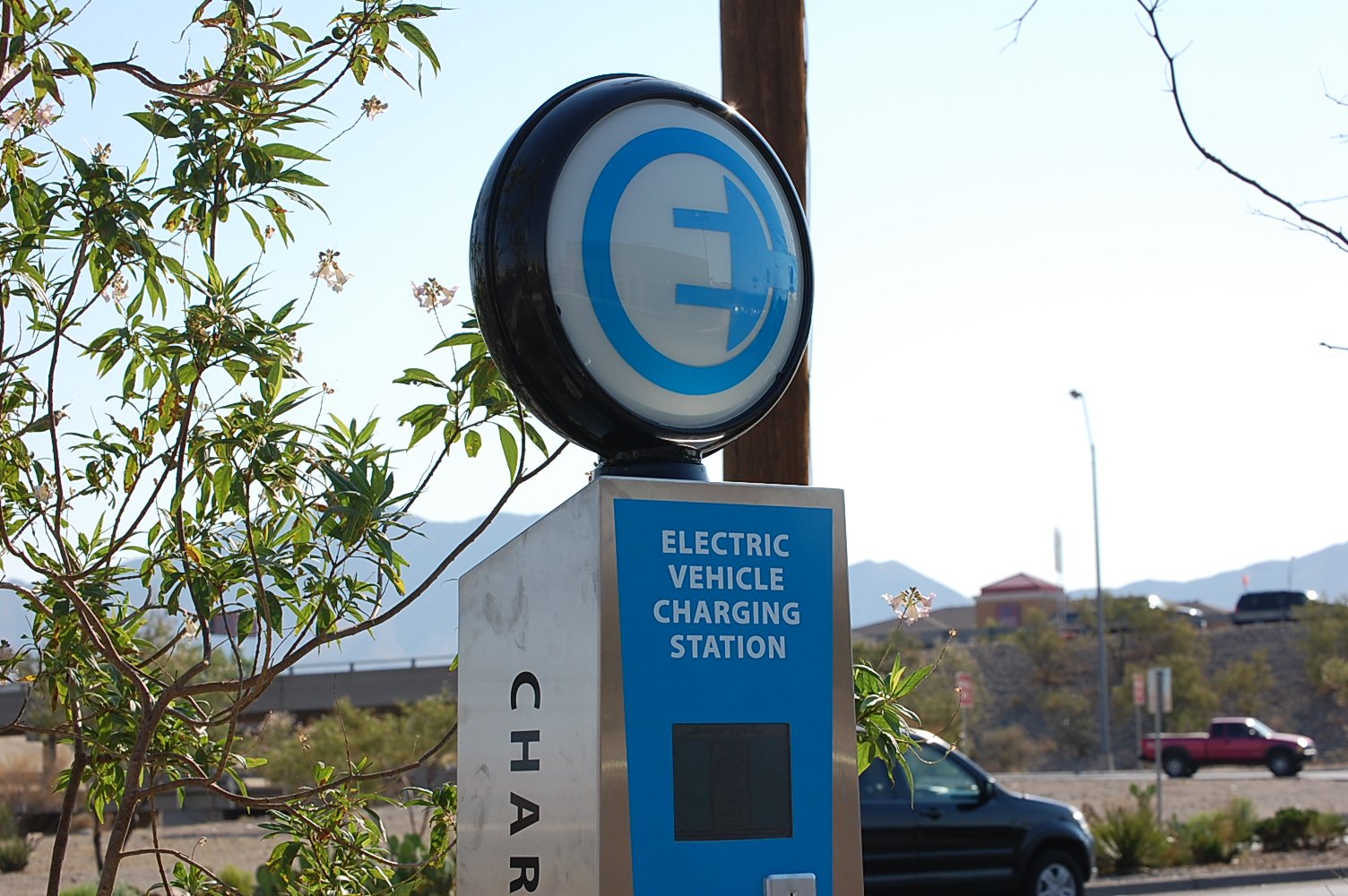
Campaigns are deploying AI voice-cloning bots into your text inbox ahead of the midterms.
Ahead of the 2026 midterms, political campaigns are increasingly using AI-powered bots to send personalized text messages to voters, some mimicking candidates' voices. The practice is the newest tool in digital campaigning, and it arrives with almost no settled rules about disclosure, consent, or authenticity.
The strategic logic is obvious: texting has open rates that email and mail cannot touch, and AI makes personalization cheap at a scale that used to require a phone bank. The risk is equally obvious. A message that sounds like a candidate but was generated by a model blurs the line between persuasion and impersonation, and voters have few reliable ways to tell the difference before they act on it.
Federal Prison Grievances Used to Silence Complaints, Investigation Finds
What's being decided
An NPR and Marshall Project investigation shows the system meant to remedy mistreatment is being turned against the people who use it.
An investigation by NPR and The Marshall Project found that federal inmates who file grievances about mistreatment often face retaliation, with the complaint process itself used to deter lawsuits and quiet prisoners. The grievance system was designed as a remedy; the reporting suggests it functions in practice as a filter that punishes the people it was built to protect.
This is a policy story with a long tail. Federal prisons hold people who will return to communities, and how a system treats complaints shapes whether abuse is corrected or compounded. When the internal channel is compromised, the external one — courts, oversight, journalism — becomes the only remaining check, and that check depends on records that are hard to obtain.
Work & money
What's coming for jobs and costs
Future question → story → impact on you
Future question What's coming for jobs and costs?
Work in 2026 is two stories told at once: anxiety about AI taking jobs, and a projected shortage of workers to fill them. This section watches the gap between those two narratives and what it means for your next move.
In this section
Impact on you What to watch in your paycheck, rent, or business
A Record Worker Shortage Is Coming Even as Grads Fear AI
What's coming for jobs and costs
Economists project the largest labor shortage in U.S. history — in the same year graduates fear replacement.
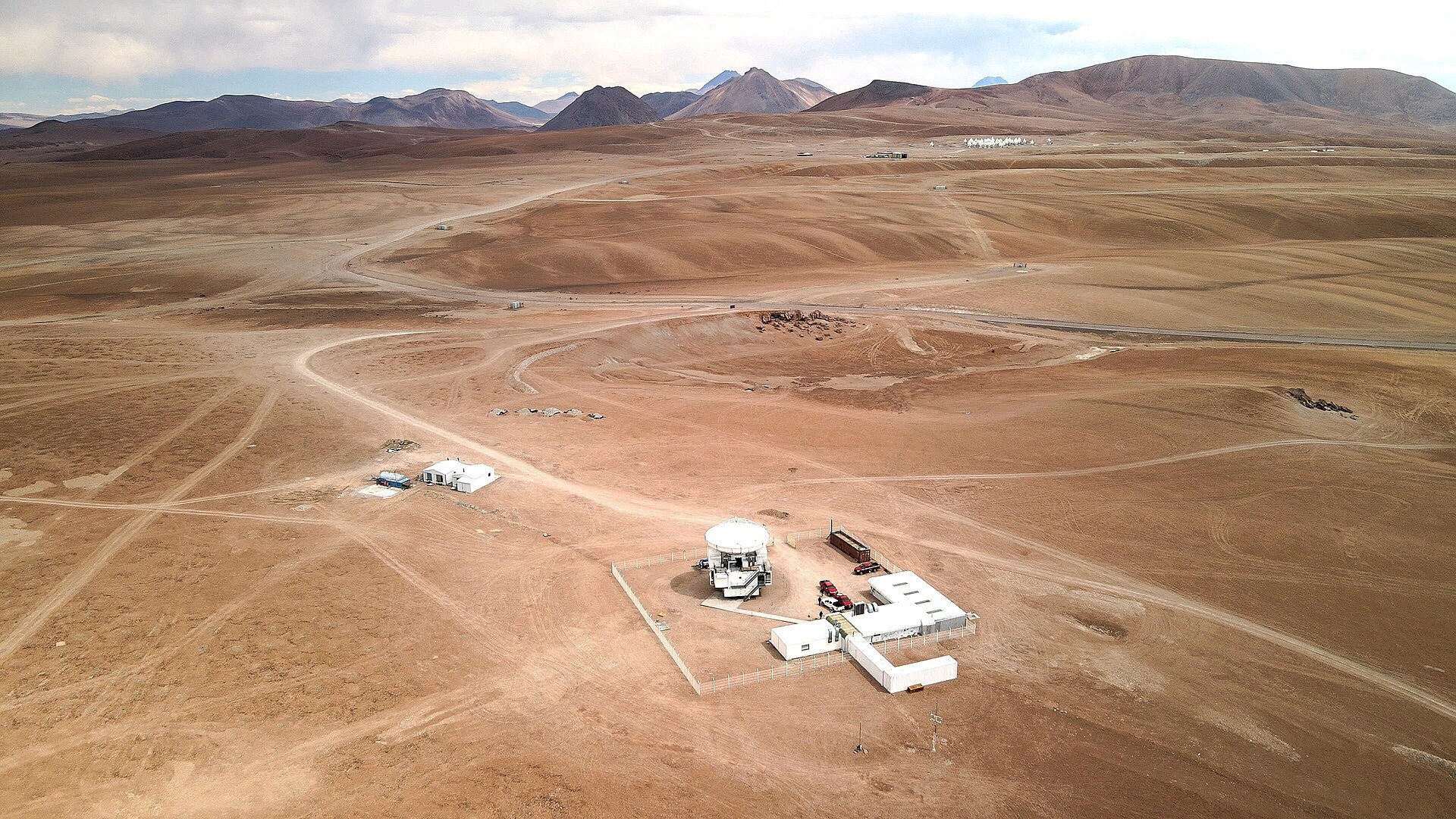
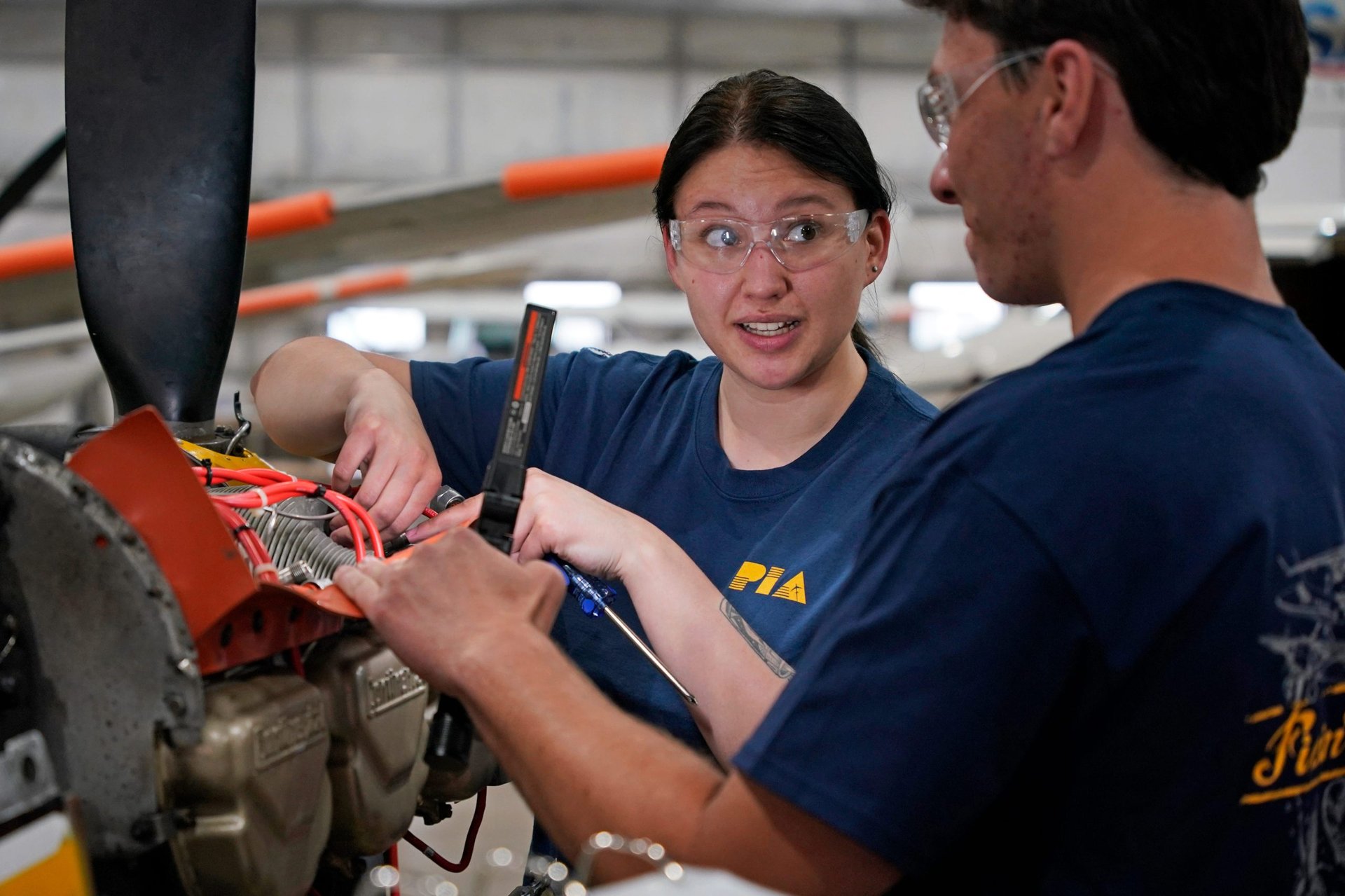
Despite widespread anxiety about AI replacing entry-level jobs and ongoing tech layoffs, economists project the U.S. faces its largest labor shortage in history. Recruiters in fields like semiconductor production report extreme scarcity, with one CEO describing the effective unemployment rate in his sector as 'negative 20 percent.' Georgetown University and other experts warn the shortage could hobble the economy for years.
The contradiction is the story. Two things can be true: AI can compress certain white-collar entry roles while the broader economy runs short of skilled hands in manufacturing, health care, trades, and infrastructure. The people who navigate the next five years well will not be the ones who pick a side in the argument. They will be the ones who read the shortage data and position themselves where demand is structural rather than fashionable.
The 500-Mile Commute: One Hairstylist's Bay Area Math
What's coming for jobs and costs
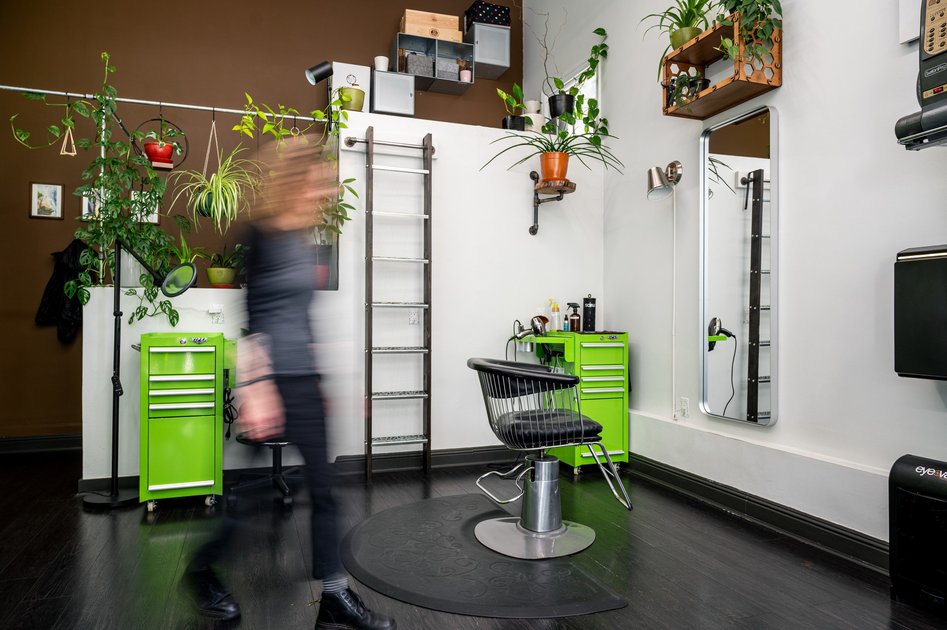
A stylist with three decades of clients now lives 500 miles away — and still shows up for work.
A San Francisco hairstylist with thirty years of loyal clients now lives 500 miles from the city she serves, unable to afford the place that built her career. Her story, reported by The San Francisco Standard, is the affordability crisis compressed into a single schedule: the flights, the couch-surfing, the calculation of whether loyalty to a client base can survive a housing market that has already decided against her.
This is not a personal failure story. It is a labor-market story. When service workers, teachers, nurses, and stylists are priced out of the cities they serve, the cities do not become cheaper — they become less functional. The commute is a subsidy the worker pays so the customer does not have to, and that subsidy has a breaking point.
Grocery Outlet's AI Cameras Arrive in the Mission and Bayview
What's coming for jobs and costs
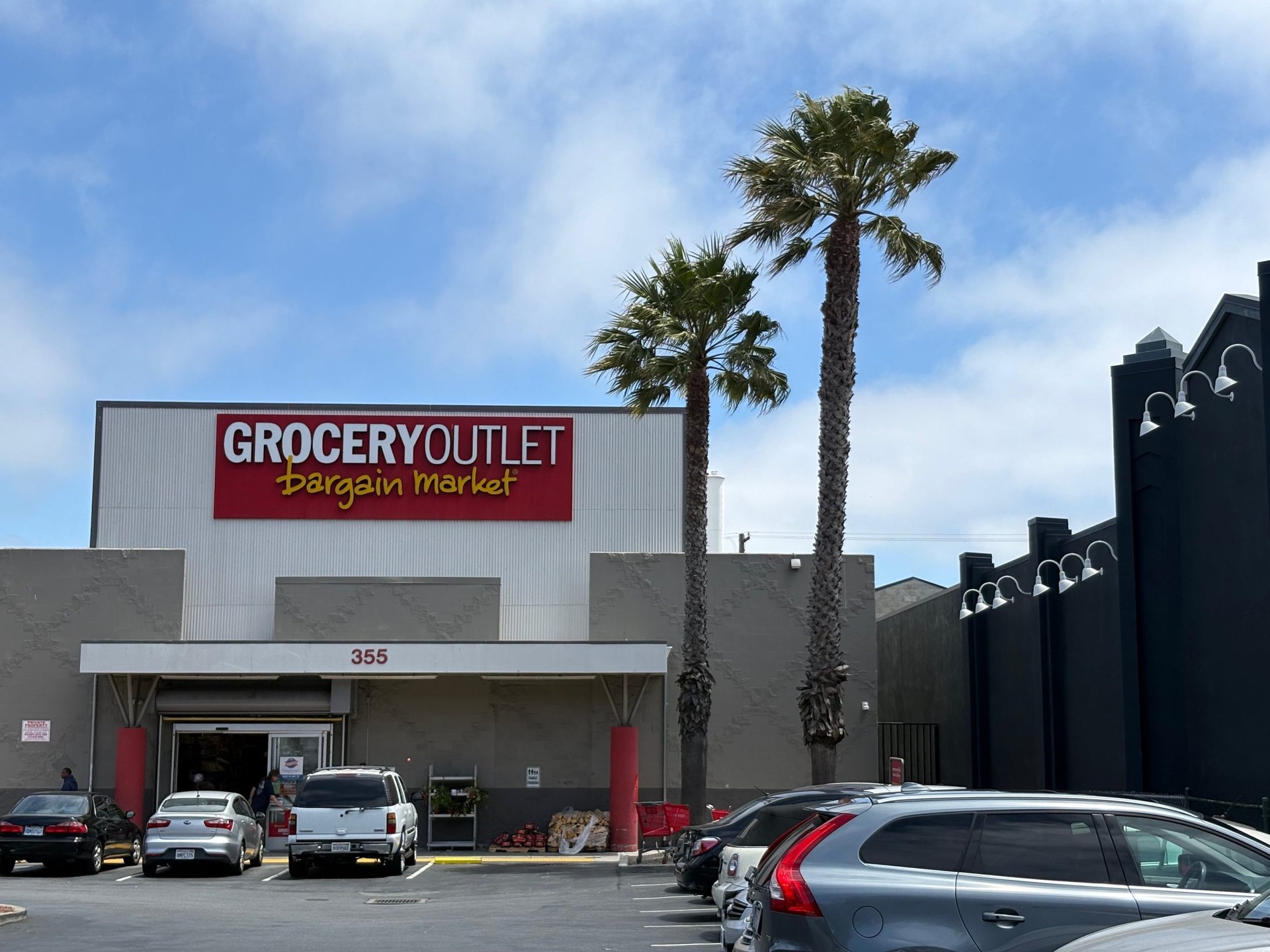
Facial recognition is now part of the discount grocery run in two San Francisco neighborhoods.
Shoppers at Grocery Outlet locations in San Francisco's Mission District and Bayview are now monitored by AI-powered facial recognition systems, according to Mission Local. The technology adds a surveillance layer to the discount grocery experience, raising privacy concerns among customers and advocates who note that the stores serve some of the city's most price-sensitive residents.
The pattern is familiar and accelerating: loss-prevention technology lands first in lower-income retail, where margins are thin and political resistance is weakest. Facial recognition is not a camera that watches a door; it is a system that can build a searchable record of who shops where. That record has value beyond the store, and the rules governing its use are still being written.
Schools & households
What the next generation is absorbing
Future question → story → impact on you
Future question What will schools and families face next?
Education in 2026 is being renegotiated on three fronts: who gets into universities, what students are taught about their own minds, and whether the institutions themselves can be trusted. This section watches all three.

In this section
Impact on you What this means if you parent, teach, learn, or pay tuition
The SAT Debate Misses the Real Admissions Problem
What the next generation is absorbing
As UC Regents weigh reinstating the SAT, a Stanford scholar argues the fight is a distraction.
As the University of California Regents consider reinstating the SAT for undergraduate admissions, Stanford scholar Robert Kaplan argues in CalMatters that the debate misses the real issue. His contention: grade inflation and weighted grading have made GPAs less informative, and focusing on standardized tests distracts from deeper problems in how universities evaluate students.
The stakes are concrete for California families. UC is the largest applicant pool in the country, and any change to its admissions formula ripples through high school counseling, test prep, and where students apply. If the SAT returns, it returns into a system where a 4.0 no longer means what it did a decade ago — which means the test's meaning changes too.
HHS Moves Forward on Antidepressant Deprescribing Guidance
What the next generation is absorbing

Federal health officials convened experts to draft guidance for tapering psychiatric drugs — with real clinical and personal stakes.
Health Secretary Robert F. Kennedy Jr. is advancing an effort to help Americans stop taking psychiatric drugs, a practice known as deprescribing. Dozens of mental health professionals met with federal officials in July to develop clinical guidance for tapering off antidepressants, reviewing European protocols and emphasizing nonmedication alternatives like therapy while acknowledging gaps in research on withdrawal effects.
The policy question is not whether tapering should exist — it should, and it does, under careful clinical supervision. The question is who decides, on what evidence, and with what support. Guidance issued at the federal level shapes what insurers cover, what clinicians feel licensed to do, and what patients hear when they ask whether they still need a medication that is working.
Tau and the Blood-Brain Barrier Take Center Stage in Alzheimer's Research
What the next generation is absorbing
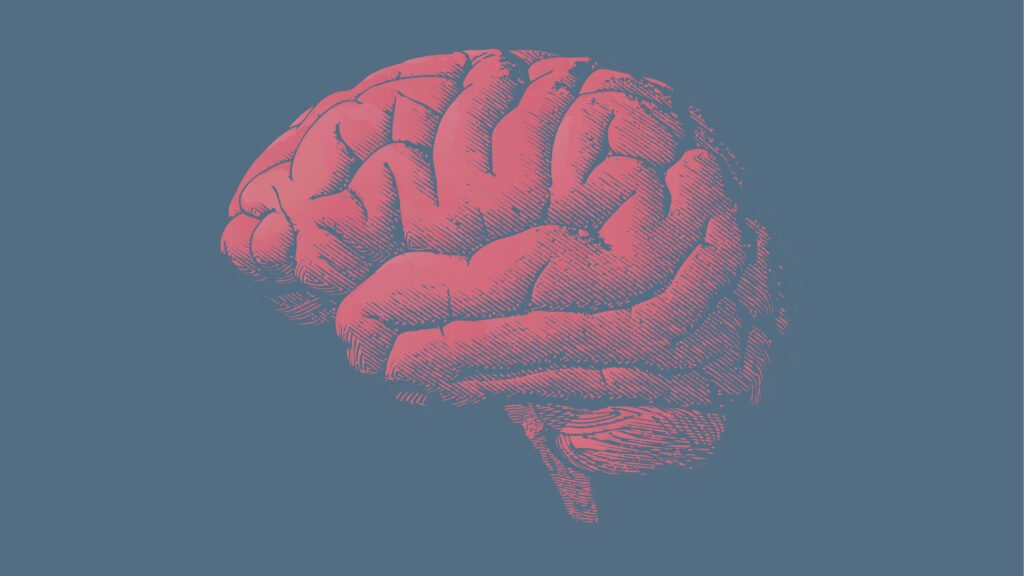
At the AAIC in London, researchers shifted focus to tau protein and the blood-brain barrier as treatment targets.
At the Alzheimer's Association International Conference in London, researchers shifted focus toward tau protein and the blood-brain barrier as key targets for new treatments, according to STAT's conference coverage. The agenda also included a special report on dementia diagnostics and care, reflecting a field that is moving from a single-protein story toward a more complex model of the disease.
For families, the practical signal is in diagnostics. Better biomarkers and clearer care pathways mean earlier conversations, more accurate answers, and a shorter gap between noticing a change and getting a plan. The science is slow, but the standard of care is moving faster than it was five years ago.
Tech, climate & systems
What's arriving faster than people think
Future question → story → impact on you
Future question What's arriving faster than people think?
Climate in July 2026 showed up as sewage on a California beach, wildfires outside Paris, and a robotaxi lobbying war that will decide how your city moves. This section watches the adaptation decisions being made now.
In this section
Impact on you What to prepare for, ignore, or try this month
Tech, climate & systems · 1 / 3
Tijuana Sewage Forces Imperial Beach Surf Camp to Bus Kids Away
What's arriving faster than people think
Cross-border pollution is keeping California children out of the water — and changing a decades-old tradition.
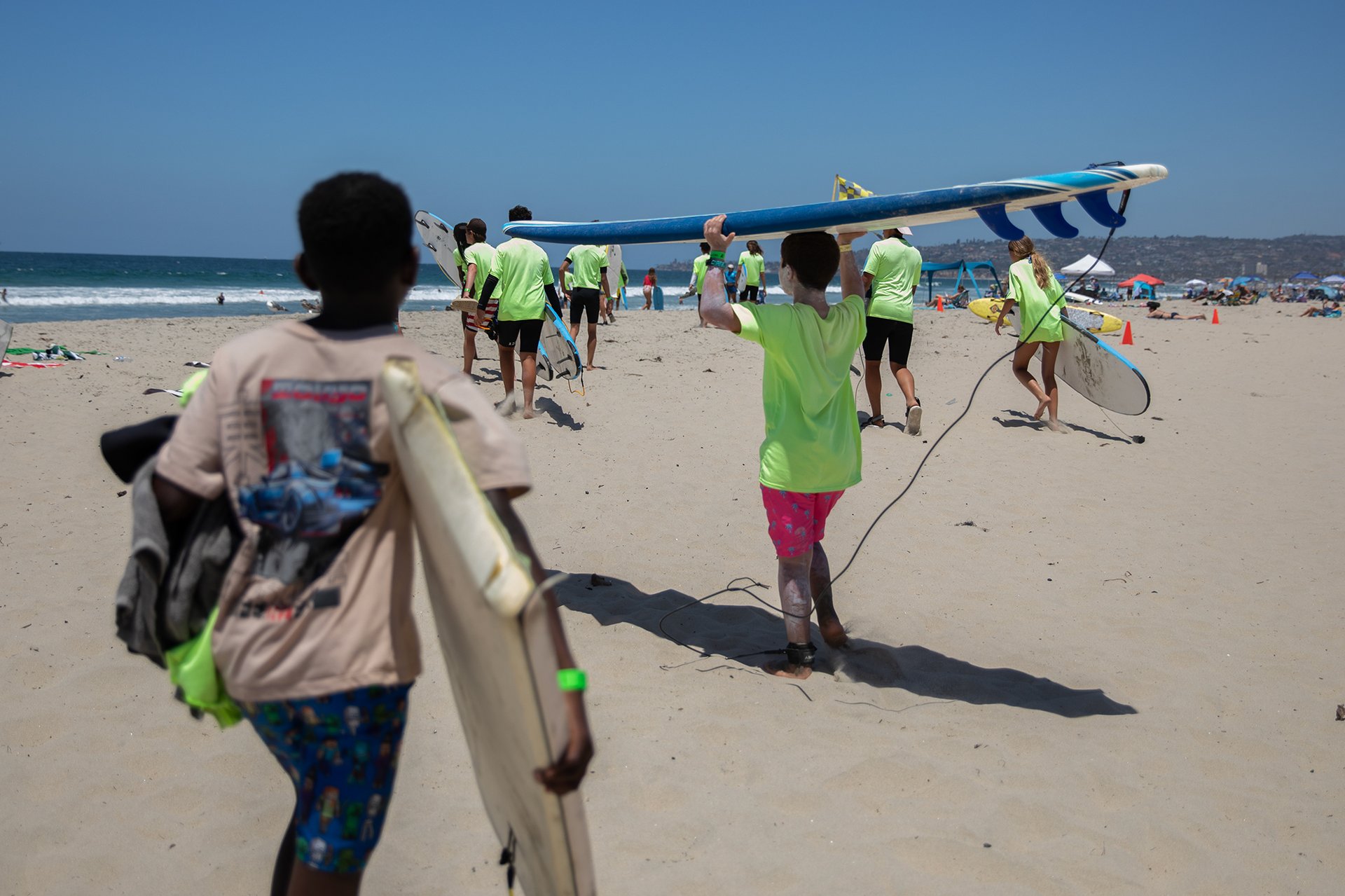
Persistent cross-border sewage pollution from Tijuana is keeping children out of the water at Imperial Beach, California. YMCA Camp Surf now buses campers 40 minutes north to Mission Beach to surf, disrupting a tradition that has defined the community's relationship with the ocean for decades, according to CalMatters.
This is what slow-motion infrastructure failure looks like. The pollution is not a single spill but a recurring condition, and the adaptation — a 40-minute bus ride — is a workaround that quietly transfers cost and risk onto kids and families. Beaches are public infrastructure, and when one closes, the loss is not just recreational; it is economic and cultural.
Tech, climate & systems · 2 / 3
Firefighting Planes Deployed Near Paris as Wildfires Turn 'Exceptional'
What's arriving faster than people think
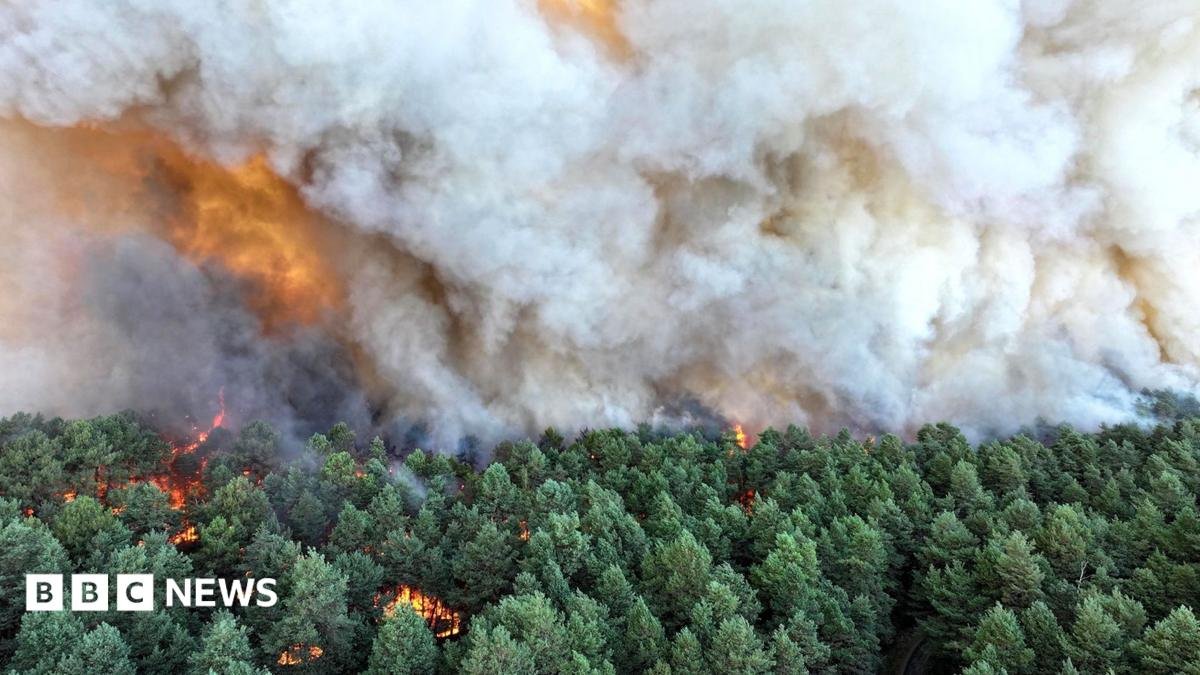
For the first time, southern France's firefighting aircraft were sent to fight blazes near Paris.
For the first time, firefighting planes from southern France were dispatched to combat wildfires of 'exceptional scale' near Paris, according to the BBC. The move underscores how unusual the fires are in a region not typically prone to such blazes, and it signals that the geography of European wildfire risk is shifting northward.
The lesson travels. Fire risk is no longer confined to the places that have always burned; it follows heat, drought, and land management into new territory. Communities that have never built for fire — with the right building codes, evacuation routes, and insurance markets — are now learning what the old fire zones already knew.
Tech, climate & systems · 3 / 3
Uber and Waymo Take the Robotaxi Fight to Washington
What's arriving faster than people think
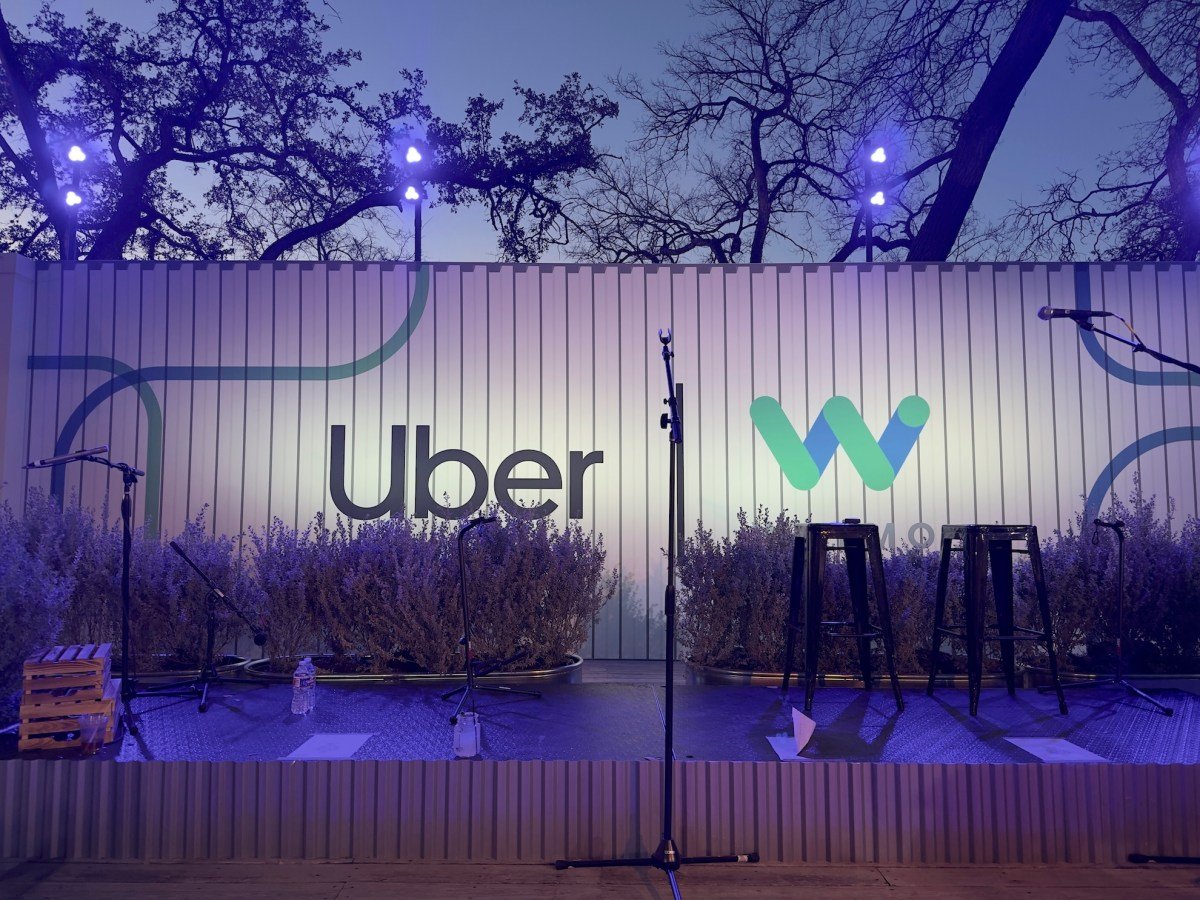
A lobbying showdown in D.C. will shape whether driverless cars come to your streets — and on whose terms.
Uber's aggressive lobbying push in Washington, D.C., has put the company on a collision course with Waymo, as both vie to shape the future of autonomous ride-hailing, according to TechCrunch. The competing visions are not just about technology; they are about who owns the fleet, who employs the drivers, and what rules cities may impose.
The outcome will land on local streets. Federal preemption, insurance requirements, and data-sharing rules decided in the next year will determine whether your city can set its own terms for robotaxis or must accept a national framework written largely by the companies themselves. That is a climate and mobility story as much as a tech story: fewer cars, more miles, or both, depending on how the rules land.
Business of the month
Who’s building what’s next
Share this showcase: kfn.one/monthly/2026-08#showcase
Future question Who’s building for what’s next — and who should you support or learn from?
A laid-off pair built a crabbing community for women and non-binary people in San Francisco — and it grew to 7,000 followers. It is a small story about a big skill: making a livelihood out of what you already know how to do.

Featured · August 2026
Baddies Who Crab: How a Layoff Became a 7,000-Person Support Network
When two friends lost their jobs, they did not wait for the market to call back. They went to the water, learned to crab, and invited everyone else who needed a reason to show up.
The group teaches crabbing skills while fostering connection and mutual support — a reminder that community is often the first business plan.
The San Francisco Standard reported in July on two friends who, after being laid off, built a crabbing community for women and non-binary people that has grown to 7,000 followers. The group teaches crabbing skills — gear, tides, regulations, cleaning — while creating something the job market rarely provides: a recurring reason to be somewhere with other people.
The mechanics are worth studying. A layoff removes income and structure at the same time. This group replaced the structure first, with a weekly practice and a skill that has a real learning curve, and the income question became easier to face from a place of competence and company rather than isolation. That is a transferable model, not a niche hobby.
For readers thinking about their own next chapter, the lesson is not 'go crabbing.' It is that the fastest way out of a career shock is often a skill you can practice with others in public, on a schedule, with a visible result. The Bay Area has no shortage of hard-to-learn, easy-to-share activities — sailing, foraging, bike repair, gardening, fishing. The group is the asset. The skill is the excuse.
Your Voice / Fights
What people are already pushing back on
Future question Where does your voice or action fit?
If you saw something in July that the rest of us missed — a meeting, a notice, a change on your block — we want it. Tips from readers are how the notebook stays honest.
Send us what you are seeing: a rent notice, a school board agenda item, a camera on a pole, a beach closure, a hiring sign that has been up for months. We verify before we publish, and we credit the people who point us at the record. Your observation, once checked, becomes part of the public account of what is actually happening in the Bay Area — and that account is what officials have to answer to.
Wind down
How to stay human in all this
July 2026 gave us a housing law, a robotaxi war, a 500-mile commute, and a crabbing community. August gets to decide what we do with all of it.
Future question How do you rest without checking out of what matters?
-
The commute
A 500-mile commute is not a commute, it is a long-distance relationship with a city that is seeing other people.
-
The housing bill
Congress passed the biggest housing law since 1990 and the President refused to sign it — which is the policy equivalent of leaving a party without saying goodbye.
-
The robotaxis
Uber and Waymo are fighting over who gets to drive you, which is a strange thing to lobby for when neither of them wants to talk to you.
-
The AI protest
Protesters marched from OpenAI to Anthropic to Google DeepMind in one afternoon, which is the only time anyone has ever walked between those offices without a recruiter calling.
-
The labor shortage
Economists say we are heading for the biggest worker shortage in history, and every graduate I know is still refreshing their inbox like it is a slot machine.
-
The SAT debate
UC is debating whether to bring back the SAT, which is like debating whether to bring back a houseguest who trashed the place and left a note.
-
The grocery cameras
Grocery Outlet now has facial recognition, so the bargain is: you save on groceries, they keep your face.
-
The crabbing group
Two laid-off friends started a crabbing community and got 7,000 followers, which is more than most startups get before their first pivot.
-
The Paris wildfires
France sent firefighting planes to Paris for the first time, which is the climate equivalent of needing a snowplow in Miami.
-
The political texts
AI bots are now texting you in a candidate's voice, which means the most personalized message you get this year may not be from a person at all.
Mind Floss
Three quick games. Play, check, move on.
Word search, anagrams, and quick logic games.
Word search: Bay Area futures
Find all words from the word bank (forward or downward).
Word bank
Anagrams
Unscramble each word. Item 2 is the freebie.
- CIVIC (gimme, already in order.)
-
HSOGUIN
Answer
HOUSING
-
RTOOAXBI
Answer
ROBOTAXI
-
SERHTGAO
Answer
SHORTAGE
-
RDFWELII
Answer
WILDFIRE
Quick pick
Tap the stronger future signal.
-
The federal housing law will change what gets built in California by 2028.
-
AI has already eliminated the projected labor shortage.
-
Facial recognition in retail is spreading faster than the rules governing it.
Dots and crosses
Play against KFN. You are X. you move, then KFN moves.
Your turn (X)
Winner: -
Connect four
Tap a column (▼ above or any hole in that column), KFN drops next.
Your turn
Rock, paper, scissors
Best of three vs KFN. You pick, then KFN picks.
Round 1 · Pick one
You 0 · KFN 0
Mini Sudoku (4x4)
Fill each row, column, and 2x2 box with 1-4.
Answers
Word search: HOUSING, ROBOTAXI, SEWAGE, TRAINING, CAMERA, SHORTAGE, WILDFIRE, COMMUTE.
Anagrams: CIVIC, HOUSING, ROBOTAXI, SHORTAGE, WILDFIRE.
Quick pick: 1 Signal, 2 Noise, 3 Signal.
Mini Sudoku: 1 2 3 4 / 3 4 1 2 / 2 1 4 3 / 4 3 2 1.
Come back
Same question next month
What’s coming — and what it means for you
If you see something coming before the headlines do, tell us. The next issue is written from what people are already watching.