From the editor
What's coming — and what it means for you
Future question What shifted this month — and why should you care this week?
April 2026 was a month of thresholds: ballot measures crossing signature lines, moratoriums crossing into law, and AI crossing from demo into commerce. We read the month so you can act on it.
There is a particular kind of month where the future stops being a forecast and starts charging rent. April 2026 was one of those. A robotics company was spun up to build the data centers that will train the models that will run the robots. A billionaire tax gathered 1.5 million signatures. A small East Bay city became the first in the region to say: not here, not yet. None of these are abstractions. Each one is a decision with a date attached.
The through-line this month is infrastructure — physical, fiscal, and civic. Data centers need land and power. Schools need enrollment and money. Hospitals need security. Shuttles need two more years. The stories KFN surfaced in April are not about ideas winning arguments; they are about ideas winning calendars. Once something has a deadline, it has a constituency, and once it has a constituency, it has a fight.
So the notebook this month is organized around what is coming and what it means for you. Not what to think — what to watch, protect, learn, practice, or decide. The Bay Area in April 2026 was a laboratory for the next decade of American civic life. Read it like a lab notebook, not a newspaper.
Thank you for reading, and for sharing what we should be paying attention to next.
Civic decisions
What's being decided
Future question → story → impact on you
Future question What's being decided next?
This section is watching the local decisions that will become statewide precedents — zoning moratoriums, ballot measures, and public-safety commitments. What happens in Oakley, San Francisco, and Sacramento in 2026 will shape what your city can and cannot do in 2027.
In this section
Impact on you What may change at your school, bill, street, or job
Oakley Becomes First Bay Area City to Pause Data Centers
What's being decided
A 45-day moratorium in a small East Bay city is the opening move in a much larger fight over AI infrastructure, land, and power.
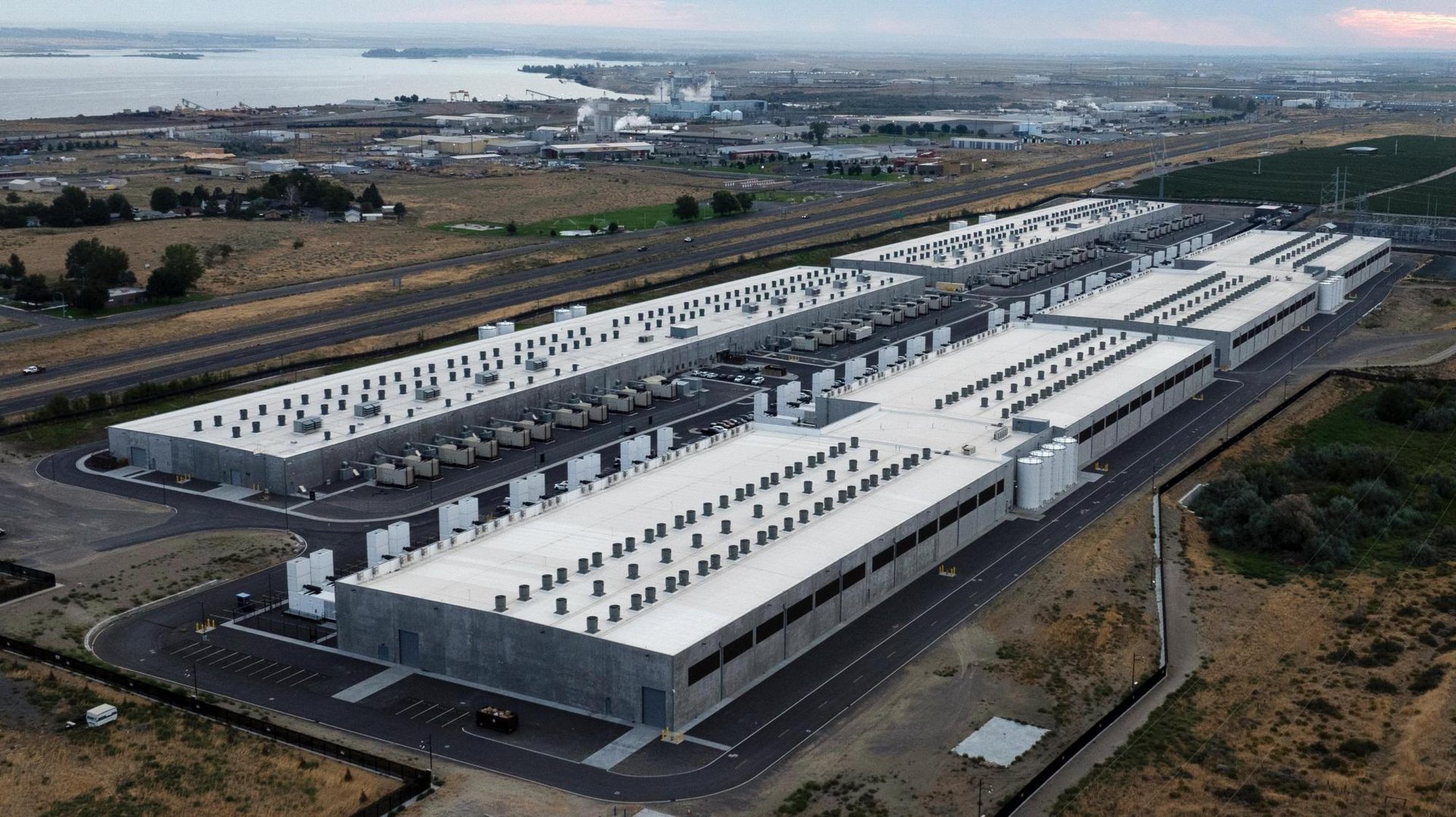
In mid-April, the Oakley City Council voted unanimously to impose a temporary ban on new data centers while staff rewrite the city's zoning rules. It is the first such moratorium in the Bay Area, and it was framed explicitly around environmental concerns — water use, energy load, and the physical footprint of AI-scale computing. The council's move was not a rejection of technology; it was a refusal to approve projects under rules that were written before the technology existed.
What makes Oakley notable is not its size but its timing. Data-center construction is accelerating across the country, and the Bay Area sits at the center of the demand curve. Cities that have not updated their zoning are, by default, open for business. Oakley's 45 days are a pause, not a ban — but they establish a template: a city can say 'not yet' and force a conversation about who pays for the power, the water, and the roads.
Expect other East Bay and Central Valley cities to watch Oakley closely. If the zoning rewrite produces meaningful standards, it becomes a model. If it produces a rubber stamp, it becomes a cautionary tale. Either way, the next 12 months will determine whether Bay Area cities shape the data-center buildout or simply absorb it.
California's Billionaire Tax Qualifies for the November Ballot
What's being decided

A one-time 5% wealth tax on billionaires will go before voters this fall, backed by a healthcare union and 1.5 million signatures.
The SEIU-backed initiative to impose a one-time 5% wealth tax on California billionaires gathered 1.5 million signatures, far surpassing the roughly 875,000 required to qualify for the November ballot. The measure is aimed at funding healthcare and public services, and its qualification sets up one of the highest-profile tax fights in recent state history.
The politics are unusually fluid. At least one local billionaire has publicly said he supports the idea, which complicates the opposition's framing. The campaign will now move from signature-gathering to persuasion, with the state's fiscal outlook, federal policy changes, and the governor's race all shaping the environment. Expect lawsuits over implementation and constitutionality regardless of the outcome.
For voters, the measure is a rare chance to weigh in directly on tax policy at a scale that rarely reaches the ballot. The question is not just whether billionaires should pay more, but whether a one-time wealth tax is the right instrument — and what happens to the revenue if it is.
S.F. Hospital Stabbing Report Confirms Security Lapses; DPH Commits $15M/Year
What's being decided
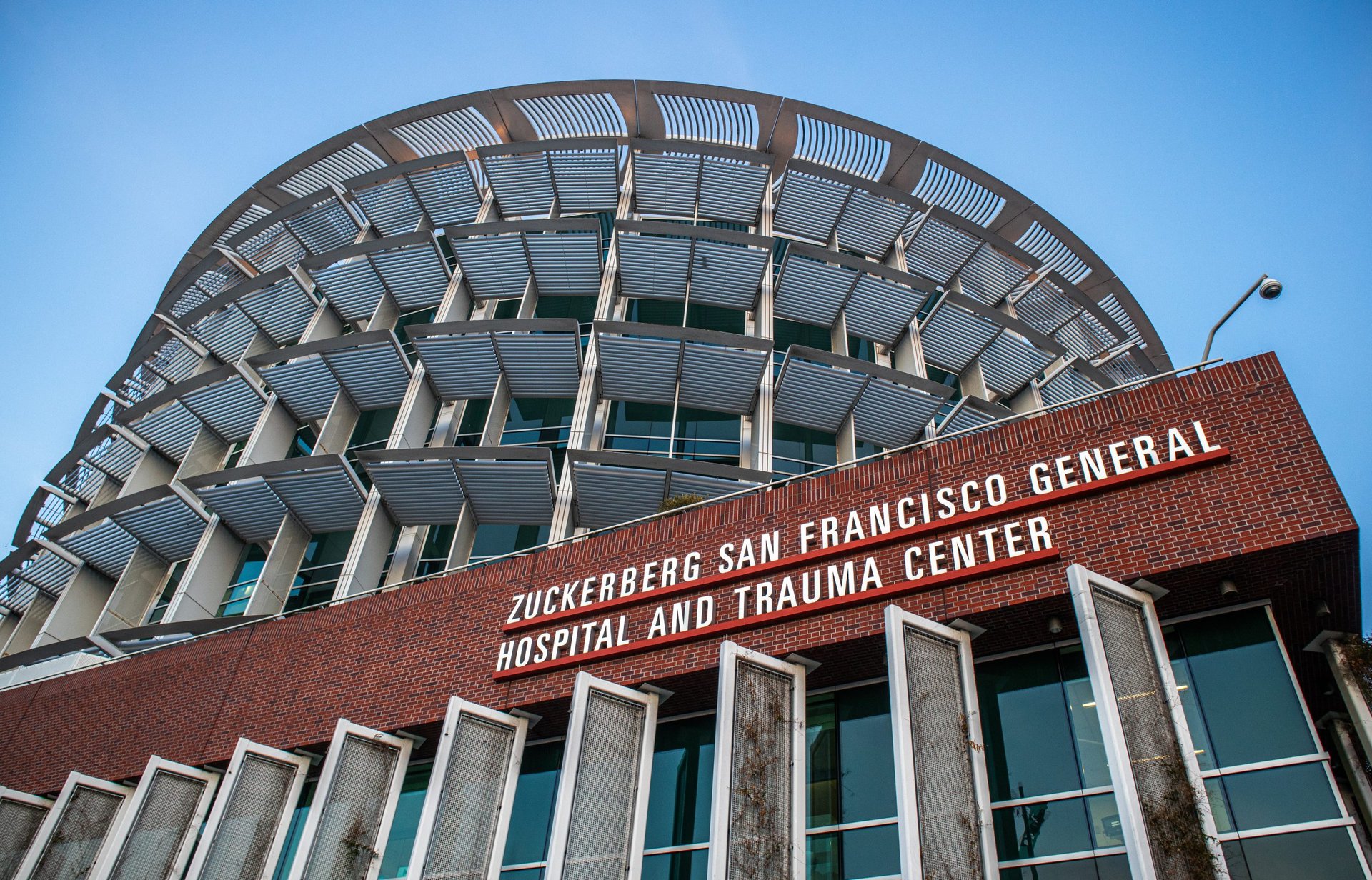
A fatal stabbing at a San Francisco hospital led to a formal review and a standing $15 million annual security commitment.
Following a fatal stabbing at a San Francisco hospital, the Department of Public Health released an analysis confirming security lapses and committed $15 million per year to strengthen facility security. The report is notable not just for its findings but for the fact that it produced a recurring budget line rather than a one-time fix.
Healthcare workers have been raising alarms about workplace violence for years, and this report gives those concerns an official paper trail. The $15 million commitment covers staffing, physical infrastructure, and training — the three areas where reviews typically find gaps. Whether the funding survives future budget cycles is the real test.
The broader significance is that public-health facilities are being asked to function as both care sites and secure environments, and those two missions sometimes pull against each other. The report is a starting point, not a solution.
Work & money
What's coming for jobs and costs
Future question → story → impact on you
Future question What's coming for jobs and costs?
This section is watching how AI capital, labor, and local commerce are reshaping the Bay Area's job market — from robotics firms building data centers to neighborhood shuttles getting two more years. The through-line is who gets to participate in the next economy and who gets left on the platform.
In this section
Impact on you What to watch in your paycheck, rent, or business
SoftBank Spins Up Robotics Firm to Build Data Centers, Eyes $100B IPO
What's coming for jobs and costs
A new robotics company designed to build the data centers that train AI is already being talked about as a $100 billion public offering.
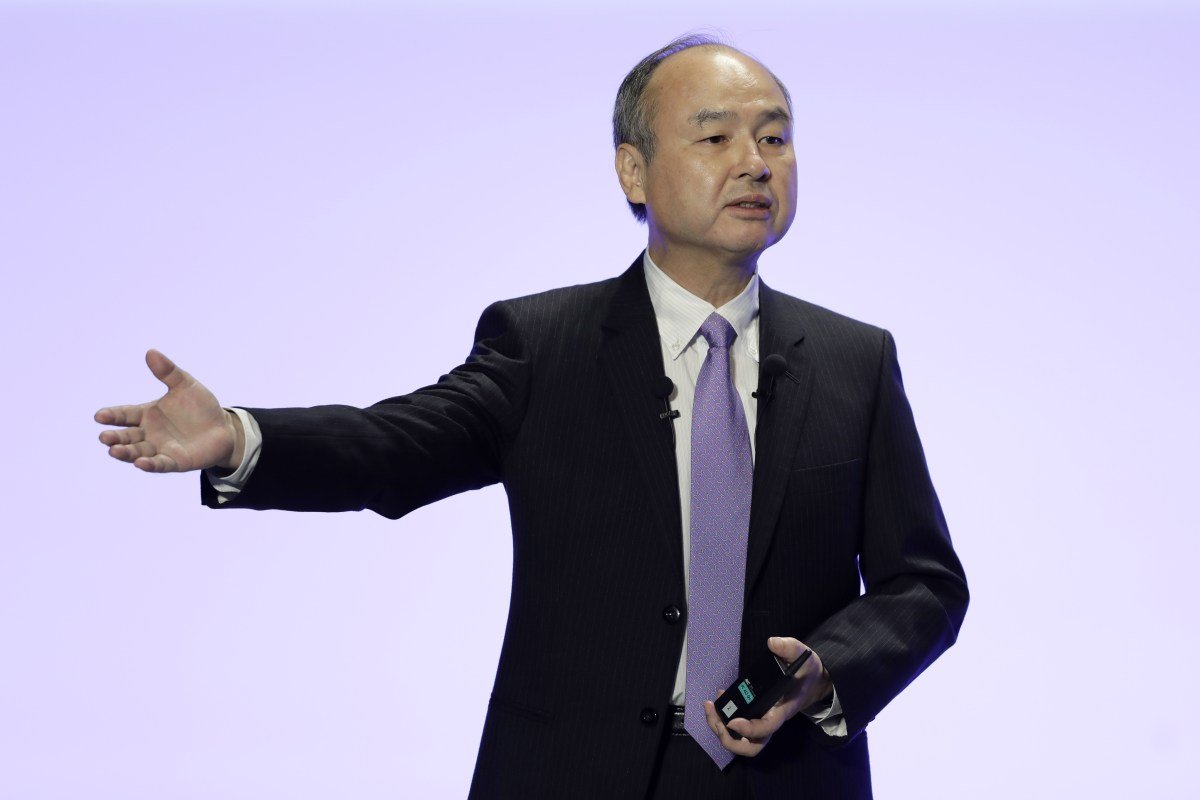
SoftBank is creating a robotics company focused specifically on data-center construction, and reports suggest the venture is already eyeing a $100 billion IPO. The circularity is the story: AI infrastructure requires robotic labor, and those robots require AI-driven facilities to be designed, built, and operated. Each side of the loop justifies investment in the other.
For the Bay Area, this is a signal about where construction labor, engineering talent, and capital are heading. Data-center construction is one of the few physical building categories still expanding at scale, and it is increasingly automated. That means fewer traditional construction jobs per dollar invested, and more demand for robotics engineers, electrical specialists, and facilities operators.
The IPO talk matters because it would create a new publicly traded pure-play in AI infrastructure. If it happens, it will pull even more capital into the sector and accelerate the buildout — and the land, water, and power fights that come with it.
SF Downtown Business Fund Launches at $25 Million
What's coming for jobs and costs
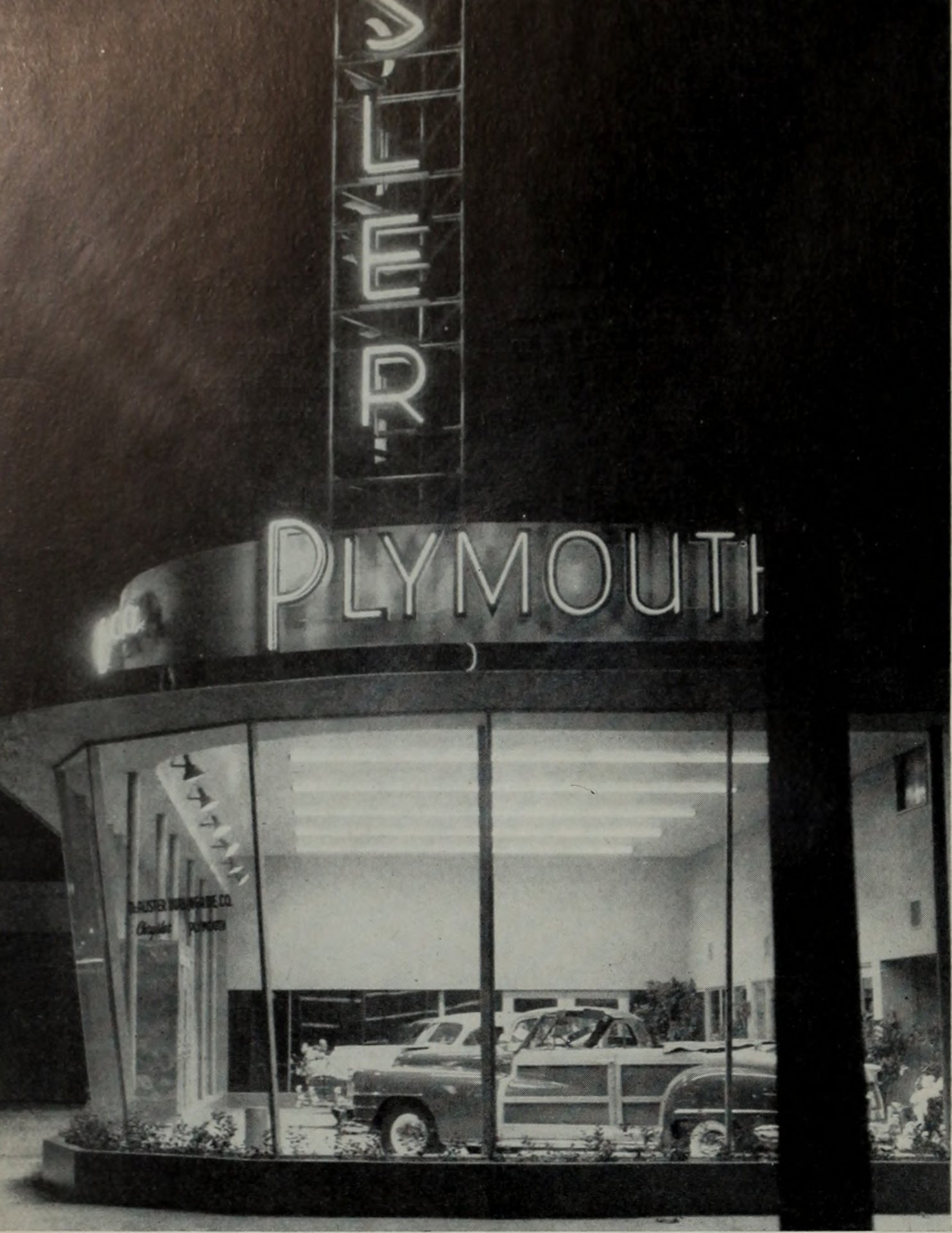
A new $25 million fund aims to help businesses open and expand in San Francisco's core, betting that ground-floor activity can restart downtown.
The San Francisco Downtown Development Corporation and partners launched a $25 million fund to help businesses open and expand in the city's core. The fund targets the ground-floor economy — retail, food, services — that has struggled to recover as office occupancy remains below pre-pandemic levels.
The logic is that downtown recovery is not just about offices; it is about giving people reasons to be there on weekends and evenings. Small grants and loans can make the difference for a first-time operator who cannot absorb six months of build-out costs. The fund's success will depend on how quickly it deploys and whether it reaches operators outside the usual networks.
This is one of the largest private-sector bets on downtown San Francisco in years. If it works, it becomes a model for other cities with hollowed-out cores. If it stalls, it becomes evidence that capital alone cannot fix a district's fundamentals.
Bayview Shuttle Gets Two-Year Extension
What's coming for jobs and costs
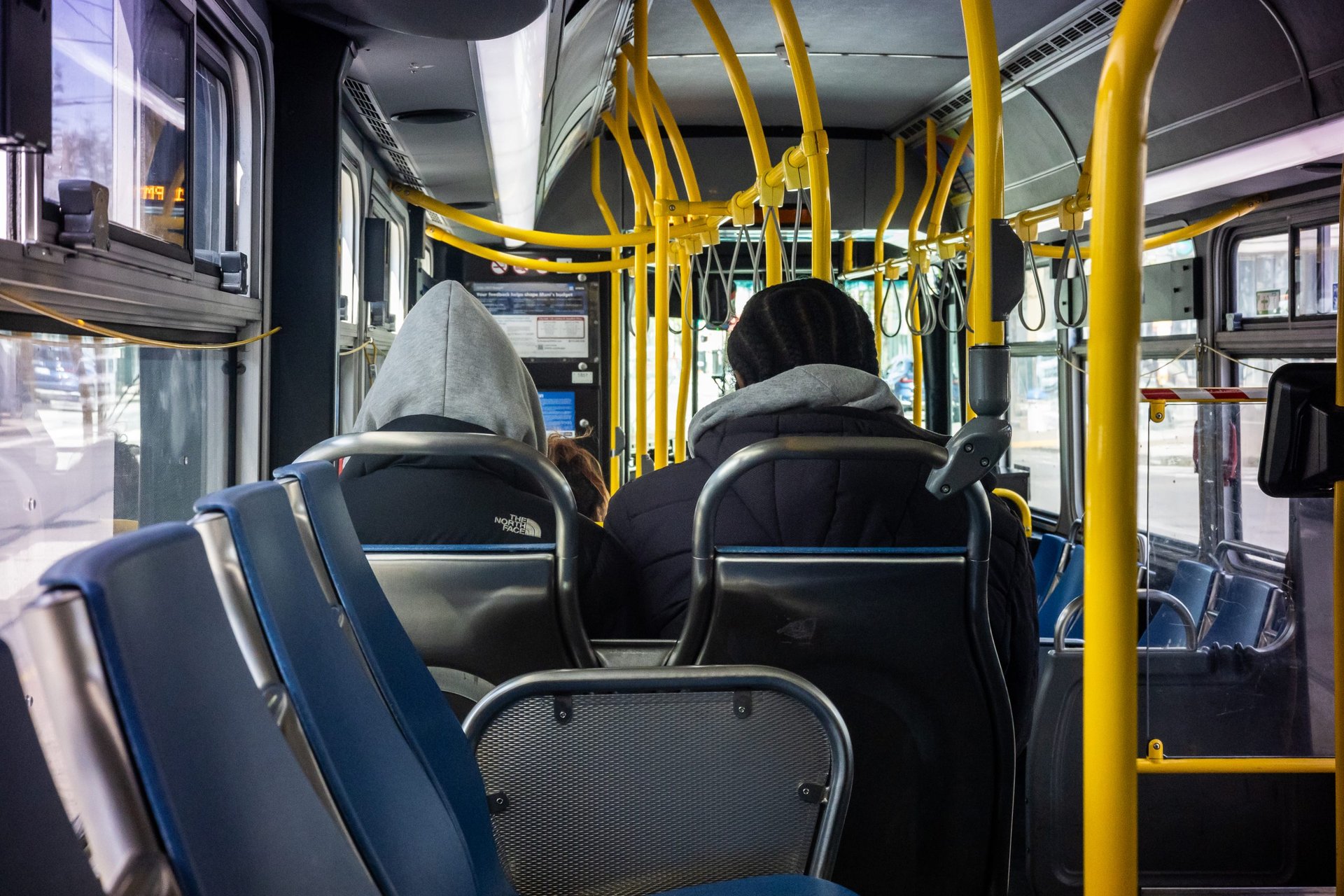
A beloved neighborhood shuttle in San Francisco's Bayview will keep running for another two years after a newly approved extension.
The Bayview neighborhood shuttle — a small, much-loved transit program that connects residents to services, jobs, and each other — has been extended for two more years. The announcement came during Earth Week, alongside local soul food events and community celebrations, which is fitting: the shuttle is both a transit service and a community institution.
Programs like this rarely make national news, but they are often the difference between a resident making a medical appointment or missing it. The two-year extension gives the program stability to plan routes and staffing, and it gives the city time to decide whether to fold it into permanent service.
The extension is also a reminder that transit equity is not only about rail lines and bus frequency. It is about the last half-mile, the off-hours trip, and the route that does not appear on a regional map but matters enormously to the people who use it.
Schools & households
What the next generation is absorbing
Future question → story → impact on you
Future question What will schools and families face next?
This section is watching the two forces reshaping California schools in 2026: a long-overdue curriculum rewrite and a budget squeeze driven by declining enrollment. What happens in classrooms this fall will be shaped by decisions made this spring.
In this section
Impact on you What this means if you parent, teach, learn, or pay tuition
SFUSD Opens First Major History–Social Studies Rewrite in Decades
What the next generation is absorbing
San Francisco schools are updating their history and social studies curriculum for the first time in decades, and the process is open to public input.
SFUSD announced it is updating its History–Social Studies curriculum — the first major refresh in decades. The scope is significant: what students learn about local, state, national, and world history shapes how they understand everything that comes after. Curriculum rewrites are slow, political, and consequential, and this one will touch every grade level.
The timing matters. California has been revising its statewide framework, and districts are now translating those guidelines into actual classroom materials. SFUSD's process will determine which voices, events, and perspectives make it into the required reading — and which do not. Parents, students, and community members typically have opportunities to comment, but those opportunities are easy to miss.
A curriculum is a statement of values. The district is effectively asking: what should a San Francisco student know about this city, this state, and this country by the time they graduate? The answer will outlast the current school board.
Thousands of Preliminary Layoff Notices Hit California Schools
What the next generation is absorbing
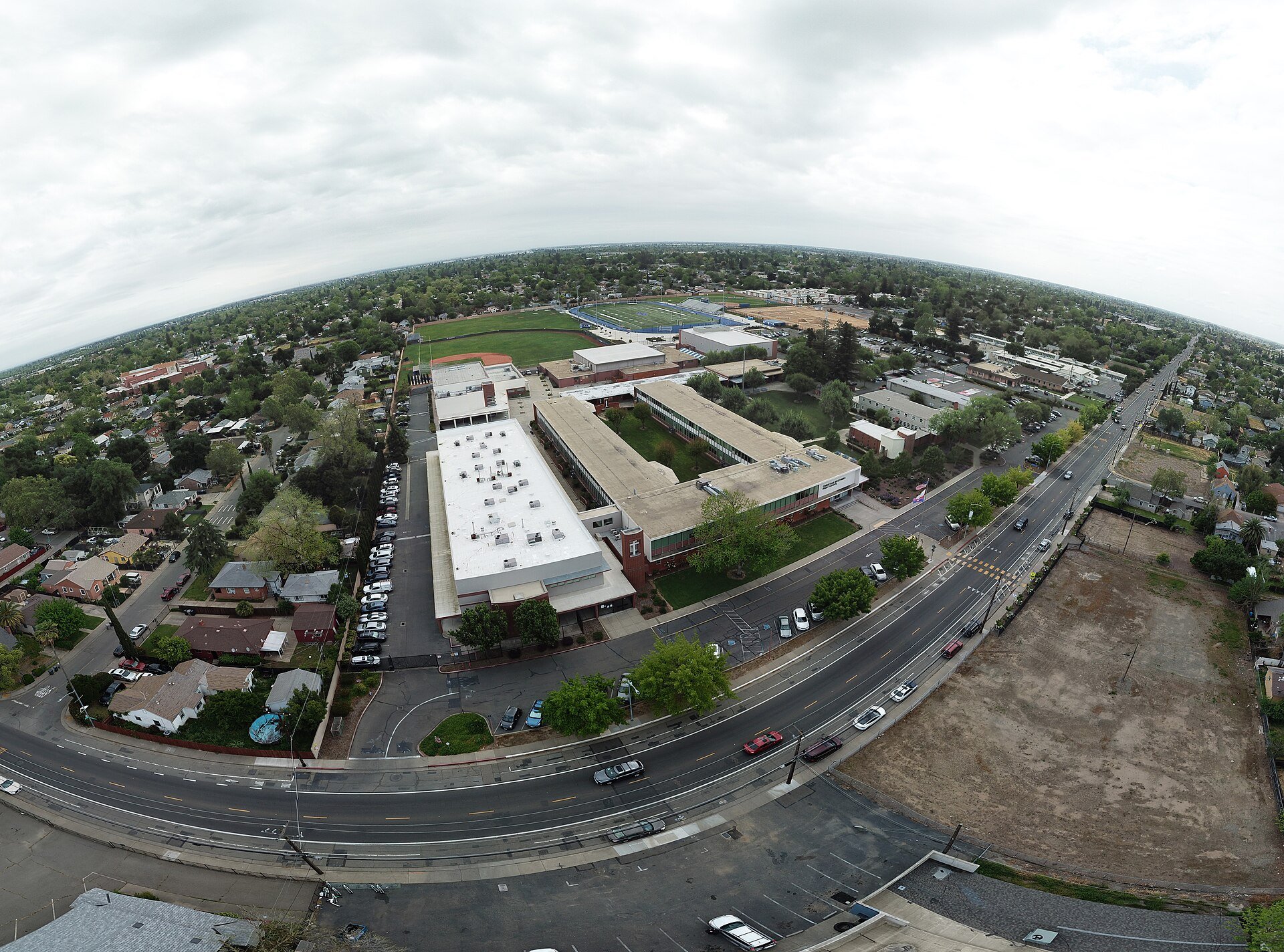
Ahead of the May 15 deadline, school districts across California are sending preliminary layoff notices as budgets tighten.
Schools across California are facing deep uncertainty as thousands of preliminary layoff notices go out ahead of the May 15 statutory deadline. These notices are not final — districts often rescind some — but they signal real budget pressure. The notices typically hit newer teachers, support staff, and specialists hardest, because seniority rules govern the order of layoffs.
The pressure comes from multiple directions: declining enrollment, rising costs, and the end of one-time federal relief funds. Districts that used pandemic-era money to hire staff are now facing a cliff. The result is a spring of anxiety for teachers and families, followed by a summer of budget revisions.
The long-term risk is a teacher pipeline problem. When layoffs become routine, fewer people enter the profession, and the shortages show up years later in hard-to-staff subjects and schools. The notices going out now are not just a budget story; they are a workforce story.
California Public School Enrollment Drops by 74,961 Students
What the next generation is absorbing
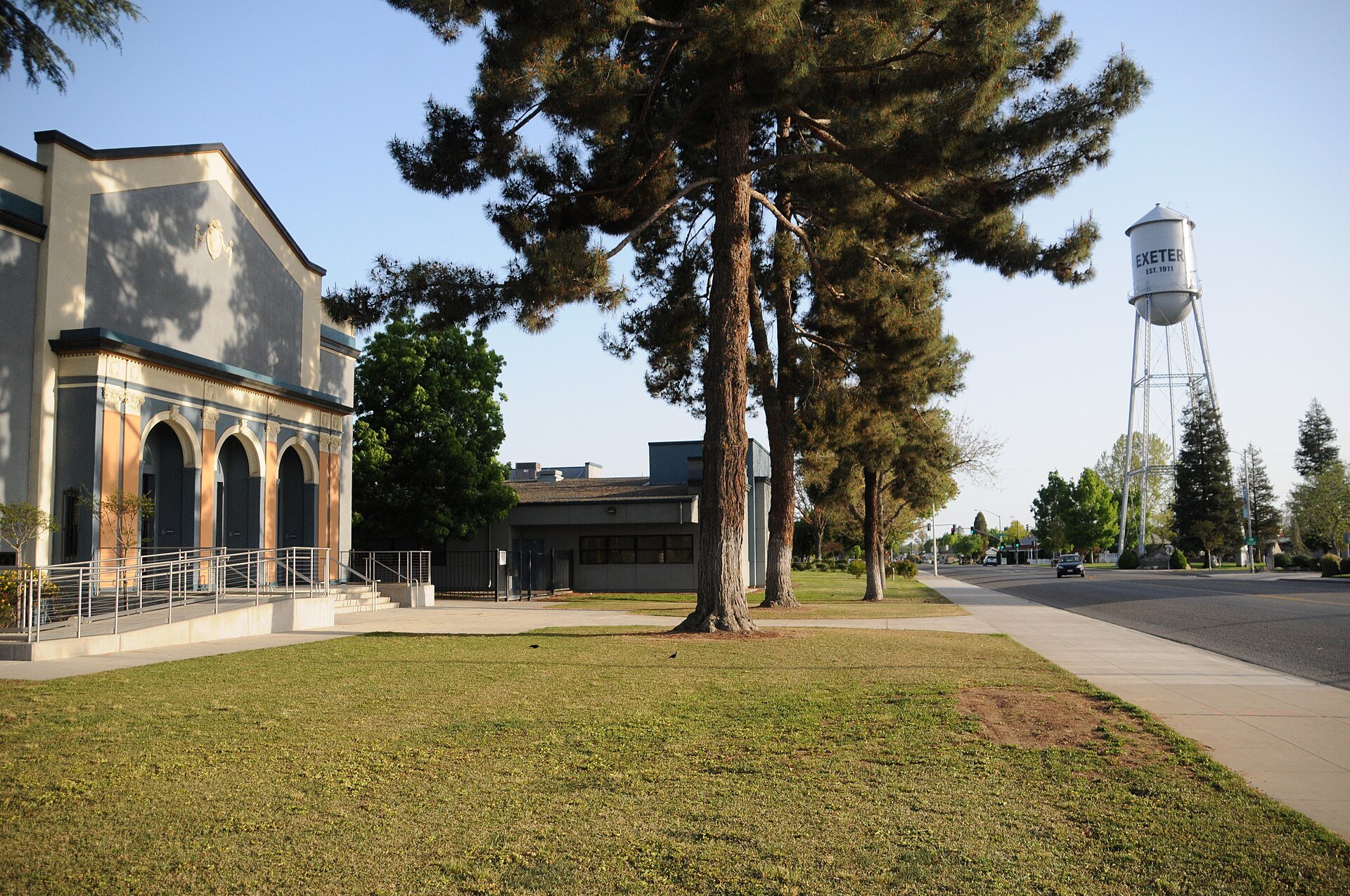
Enrollment fell 1.3% — the largest drop since 2021–22 — putting more districts on a path to consolidation and cuts.
California's public-school enrollment dropped by 74,961 students, a 1.3% decline and the largest single-year drop since 2021–22. Enrollment is the primary driver of school funding in California, so a decline of this size translates directly into budget cuts, program reductions, and in some cases school closures.
The causes are familiar: lower birth rates, migration out of high-cost areas, and families choosing private or homeschool options. But the effects are uneven. Districts in growing suburbs may absorb the decline; districts in shrinking rural and urban areas may face consolidation. The students who remain often need more services, not fewer, which makes the math even harder.
This is a slow-moving crisis that will define the next decade of California education. Districts that plan for it — by consolidating thoughtfully, protecting core programs, and investing in the students they have — will fare better than those that react year by year.
Tech, climate & systems
What's arriving faster than people think
Future question → story → impact on you
Future question What's arriving faster than people think?
This section is watching how the Bay Area is translating climate ambition into actual plans, permits, and cleanups — and where the gaps remain. April brought a regional roadmap, a fuel spill, and a public-health warning that arrived through SFO.
In this section
Impact on you What to prepare for, ignore, or try this month
Tech, climate & systems · 1 / 3
BAAQMD Releases Region's First Cross-County Climate Action Plan
What's arriving faster than people think
The Bay Area Air Quality Management District published a 2030 roadmap that, for the first time, coordinates climate action across all nine counties.
The Bay Area Air Quality Management District released BARCAP, the region's first cross-county climate action plan — a 2030 roadmap that coordinates emissions reductions, air-quality improvements, and resilience investments across all nine Bay Area counties. It is a planning document, not a mandate, but it sets a shared baseline that cities and counties can adopt or ignore.
The significance is structural. Climate action in the Bay Area has historically been a patchwork of city plans with different targets, metrics, and timelines. A regional plan creates a common language and a common set of benchmarks, which makes it harder for individual jurisdictions to claim progress while the region falls behind.
The plan's success will depend on implementation funding and political will. But it gives residents and advocates a single document to hold every county accountable to the same standard. That is a meaningful shift in how climate policy gets debated locally.
Tech, climate & systems · 2 / 3
UPS Plane Spills 250+ Gallons of Jet Fuel at Oakland Airport
What's arriving faster than people think
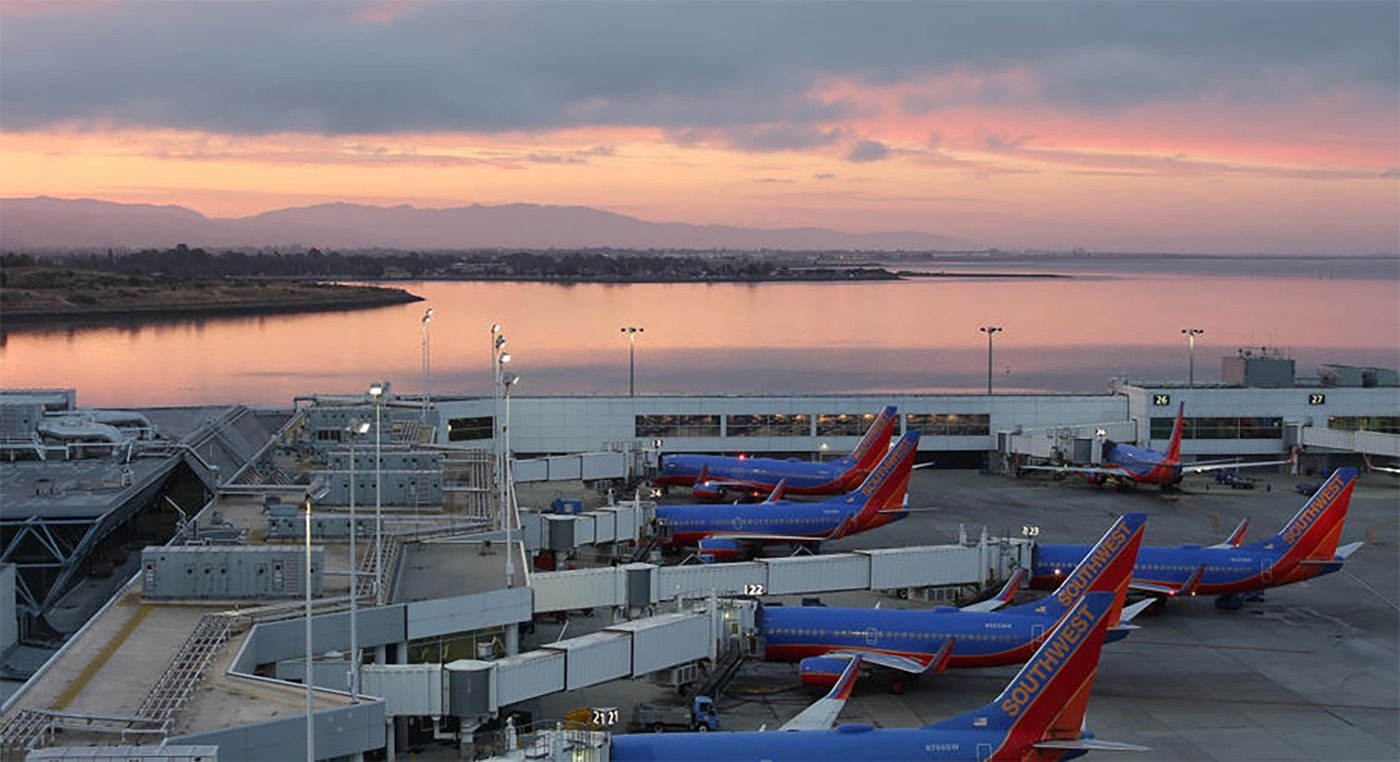
A fuel spill at Oakland Airport sent more than 250 gallons toward a storm drain that leads to the Bay.
A UPS plane at Oakland Airport spilled more than 250 gallons of jet fuel, some of which flowed toward a storm drain leading to San Francisco Bay. Spills of this size are not catastrophic on their own, but they are cumulative, and they highlight how much industrial activity happens at the water's edge.
The response and cleanup will be managed by airport and regional authorities, and the incident will likely trigger a review of containment procedures. The Bay is already under pressure from urban runoff, microplastics, and legacy contaminants; adding aviation fuel to the list is a reminder that the region's environmental health depends on dozens of small operational decisions every day.
For residents, the immediate risk is limited, but the precedent matters. How quickly the spill was contained, how much reached the Bay, and what changes follow will determine whether this is a one-off or a pattern.
Tech, climate & systems · 3 / 3
Hyper-Mutated COVID Strain Detected via SFO Wastewater
What's arriving faster than people think

Health officials are warning about a hyper-mutated COVID strain that arrived via SFO, with wastewater signals rising into April.
Health officials issued a warning about a hyper-mutated COVID strain — sometimes called the Cicada strain — that came to the U.S. via SFO last June, with wastewater signals rising into April. The strain's mutations make it more evasive of existing immunity, though it is not yet clear whether it causes more severe disease.
Wastewater surveillance has become one of the most reliable early-warning systems for COVID and other pathogens. The fact that the signal was detected and publicized is a sign that the system is working. The question is whether the public and institutions will act on the warning — updating vaccines, improving ventilation, and preparing for a possible summer wave.
This is also a reminder that SFO is a global gateway, and global pathogens arrive here first. The region's public-health infrastructure is the front line for the rest of the country, whether or not it is funded that way.
Business of the month
Who’s building what’s next
Share this showcase: kfn.one/monthly/2026-05#showcase
Future question Who’s building for what’s next — and who should you support or learn from?
Every month, KFN highlights one business whose work helps readers build a more resilient life. This month, we look at how preventive care fits into a decade of civic and personal change.

Featured · May 2026
The Long Game of a Healthy Mouth
Dental care is one of the most skipped forms of preventive health — and one of the most consequential over a lifetime.
The habits you keep in your 30s are the teeth you keep in your 70s.
Preventive dental care is easy to postpone. It is not urgent, it is not always covered, and it rarely feels like the most important thing on a given week. But the cumulative evidence is clear: regular cleanings and early intervention prevent the kind of problems that become expensive, painful, and systemic later in life. Oral health is linked to cardiovascular health, diabetes management, and even cognitive outcomes.
The Bay Area has no shortage of dental providers, but access is uneven. What matters for readers is finding a practice that treats prevention as the main event, not an upsell. That means clear pricing, honest assessments, and a plan you can actually follow between visits.
This is not a glamorous story. It is a story about compounding — the same force that makes small civic decisions matter over a decade. A healthy mouth is one of the few things you can invest in now that pays out reliably later.
Your Voice / Fights
What people are already pushing back on
Future question Where does your voice or action fit?
If you attended a council meeting, got a layoff notice, or saw something at your school that should be on the record, tell us. Reader tips shape what KFN covers next.
KFN's Today page is built on reader tips as much as on wires. When you send a document, a meeting date, or a firsthand account, it becomes part of the public record we draw from — and it often becomes the story that other outlets miss. Send what you know, not what you think we want to hear.
Wind down
How to stay human in all this
April 2026 gave us moratoriums, ballot measures, and a jet fuel spill — and we read all of it so you could skim it. Here is the lighter side of the month.
Future question How do you rest without checking out of what matters?
-
Oakley
Oakley banned data centers for 45 days, which is the civic equivalent of putting your phone in another room.
-
Billionaire tax
The billionaire tax qualified for the ballot with 1.5 million signatures, proving that the only thing Californians will stand in line for is a chance to tax someone richer.
-
SoftBank
SoftBank is building robots to build data centers to train the AI that will run the robots — it is the first economy designed by a snake eating its tail.
-
Speed cameras
One SoMa intersection is issuing more speed camera tickets than any other, which means either the signage is bad or the drivers are.
-
GPT-5.5
OpenAI released GPT-5.5, and the version number is now moving faster than the average Bay Area lease renewal.
-
SFUSD history
SFUSD is rewriting its history curriculum for the first time in decades, which means students may finally learn what happened after 1995.
-
Enrollment
California schools lost 74,961 students, which is roughly the population of a mid-sized city deciding to homeschool.
-
Jet fuel
A UPS plane spilled 250 gallons of jet fuel toward the Bay, which is one way to make sure the fish are also frequent flyers.
-
Cicada strain
A hyper-mutated COVID strain arrived via SFO, because of course it did — SFO is the Bay Area's most reliable import hub.
-
Bayview shuttle
The Bayview shuttle got a two-year extension, which in local transit terms is basically a lifetime achievement award.
Mind Floss
Three quick games. Play, check, move on.
Word search, anagrams, and quick logic games.
Word search, Bay Area April
Find all words from the word bank (forward or downward).
Word bank
Anagrams
Unscramble each word. Item 2 is the freebie.
- CIVIC (gimme, already in order.)
-
LLATBO
Answer
BALLOT
-
UTHLTSE
Answer
SHUTTLE
-
ALTCMIE
Answer
CLIMATE
-
BOORTS
Answer
ROBOTS
Quick pick
Tap the stronger future signal.
-
Read the ballot text before you vote on it.
-
Assume the zoning meeting will handle itself.
-
Check your school's enrollment trend this spring.
Dots and crosses
Play against KFN. You are X. you move, then KFN moves.
Your turn (X)
Winner: -
Connect four
Tap a column (▼ above or any hole in that column), KFN drops next.
Your turn
Rock, paper, scissors
Best of three vs KFN. You pick, then KFN picks.
Round 1 · Pick one
You 0 · KFN 0
Mini Sudoku (4x4)
Fill each row, column, and 2x2 box with 1-4.
Answers
Word search: OAKLEY, SHUTTLE, BALLOT, SFUSD, CLIMATE, ROBOTS, FUEL, ENROLL.
Anagrams: CIVIC, BALLOT, SHUTTLE, CLIMATE, ROBOTS.
Quick pick: 1 Signal, 2 Noise, 3 Signal.
Mini Sudoku: 1 2 3 4 / 3 4 1 2 / 2 1 4 3 / 4 3 2 1.
Come back
Same question next month
What’s coming — and what it means for you
If you see something coming before the headlines do, tell us. The next issue is written from what people are already watching.